Aurora Borealis – The Northern Lights – 10th May 2024

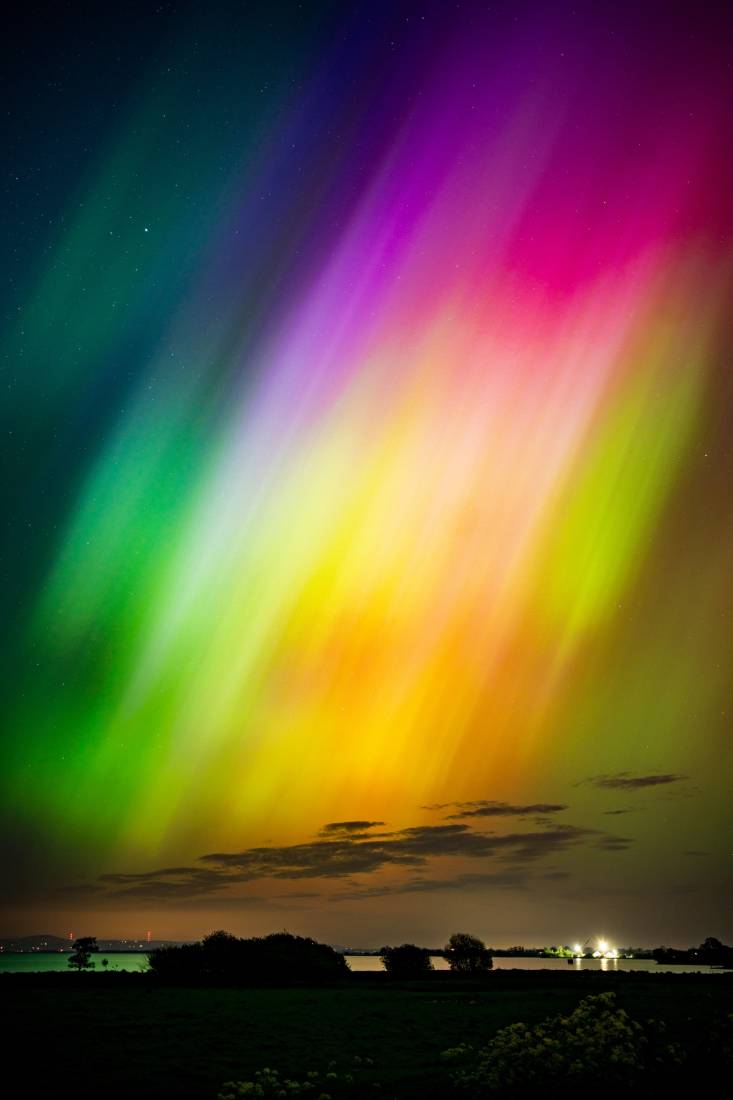
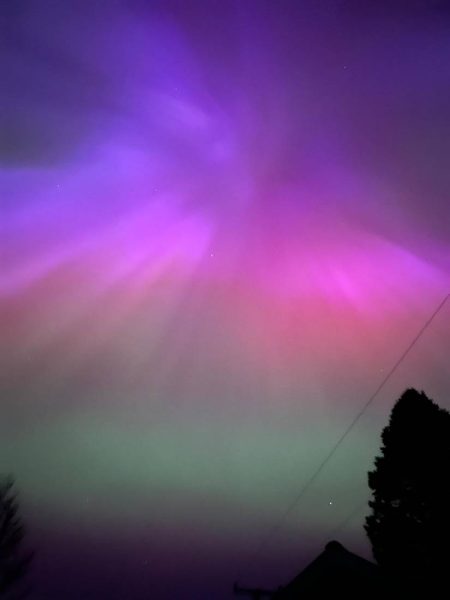
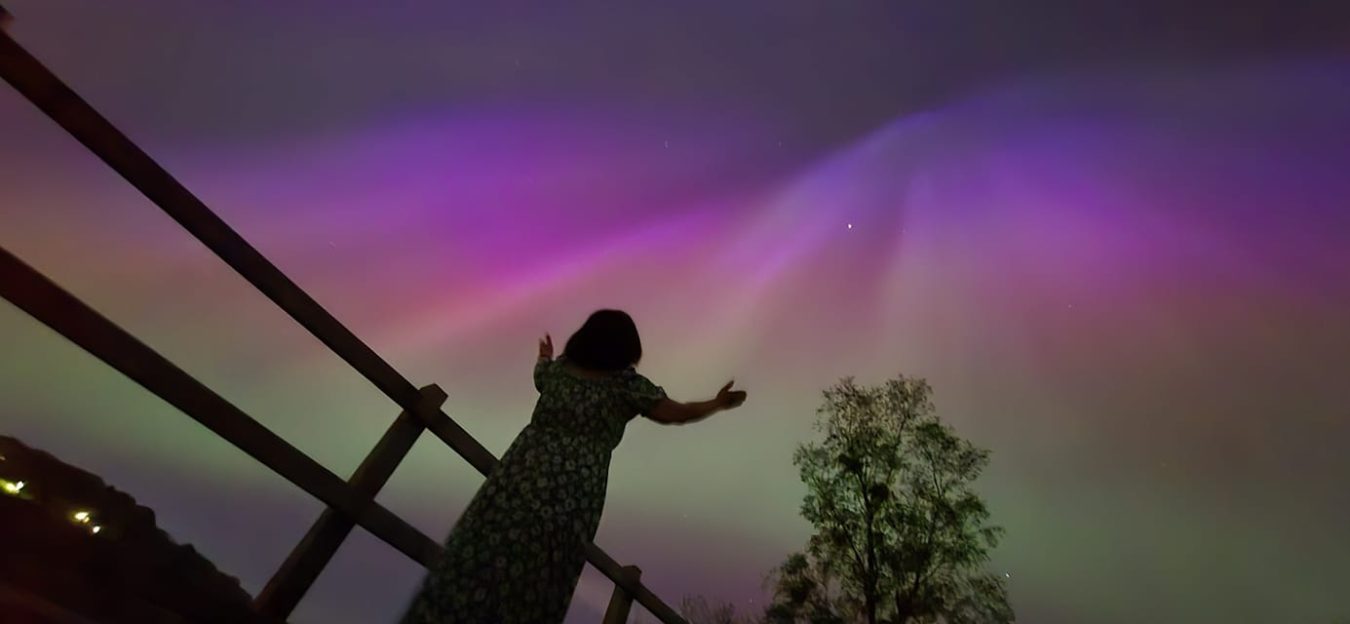
What can I say about the 10th May 2024. I honestly don’t have the words to describe how I felt standing under the sky and watching the Aurora Borealis perform it’s magic above my head. Never in my lifetime did I think I would see something as spectacular and breathtaking in our own country of Ireland. It’s not too often that I’m speechless but that night was something else. If I’m totally honest, it brought tears to my eyes watching the Aurora Borealis weave wands of light across the sky. With patterns and colours changing constantly, it was hard to know where to look and take it all in. It looked like someone from another dimension was trying to communicate with us. That is the only way I can describe it. Like a portal overhead from which the waves of colours emerged, leaving arcs across the sky.
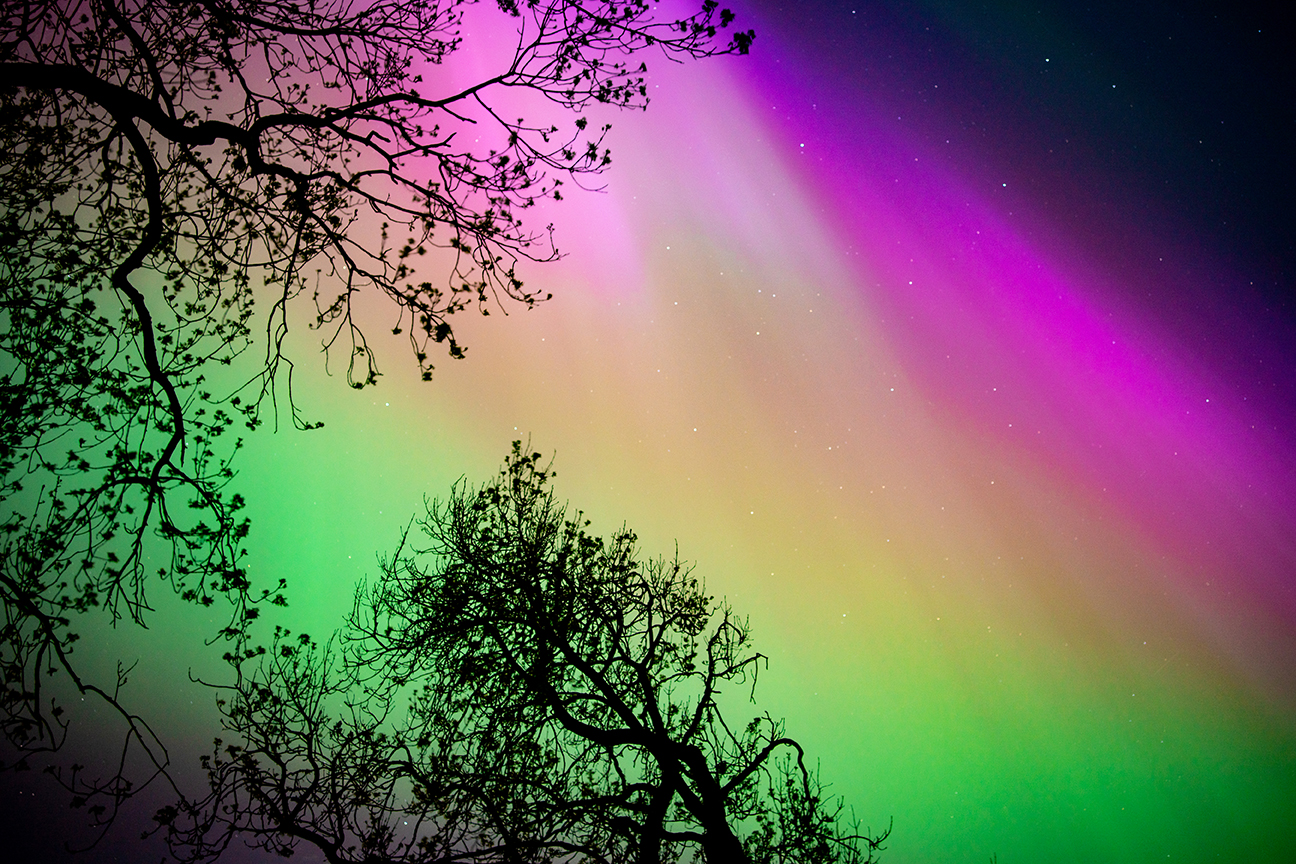
I’ve been photographing the Northern Lights for around two years now and this was not what I was expecting when I left the house that night. Normally I head to the coast or Beaghmore Stone Circles, however I felt it would be exceptionally busy at both locations due to the popularity in the aurora more recently. I decided to stay somewhat more local, travelling to a few locations in Co Armagh and Co Tyrone.
It was 4am when I finally decided to go home but I would have stayed out longer only I had work the next day and needed some sleep. I also saw a meteor in the sky when coming up the M1 on the way home. It looked like a streak of red, followed by a blast of white as it dispersed into the earth’s atmosphere. I decided to pull together this blog post so that I could share some of images, along with my followers photos plus some information around the Aurora Borealis itself. I hope you enjoy reading all about it in this feature.
What are the Northern Lights?
Scientifically known as the aurora borealis, the Northern Lights, are a breathtaking natural phenomenon that illuminates the night skies near the polar regions with mesmerizing displays of colorful lights. These dazzling shows occur when charged particles from the Sun, carried by the solar wind, interact with the Earth’s magnetic field and collide with gases in the upper atmosphere.
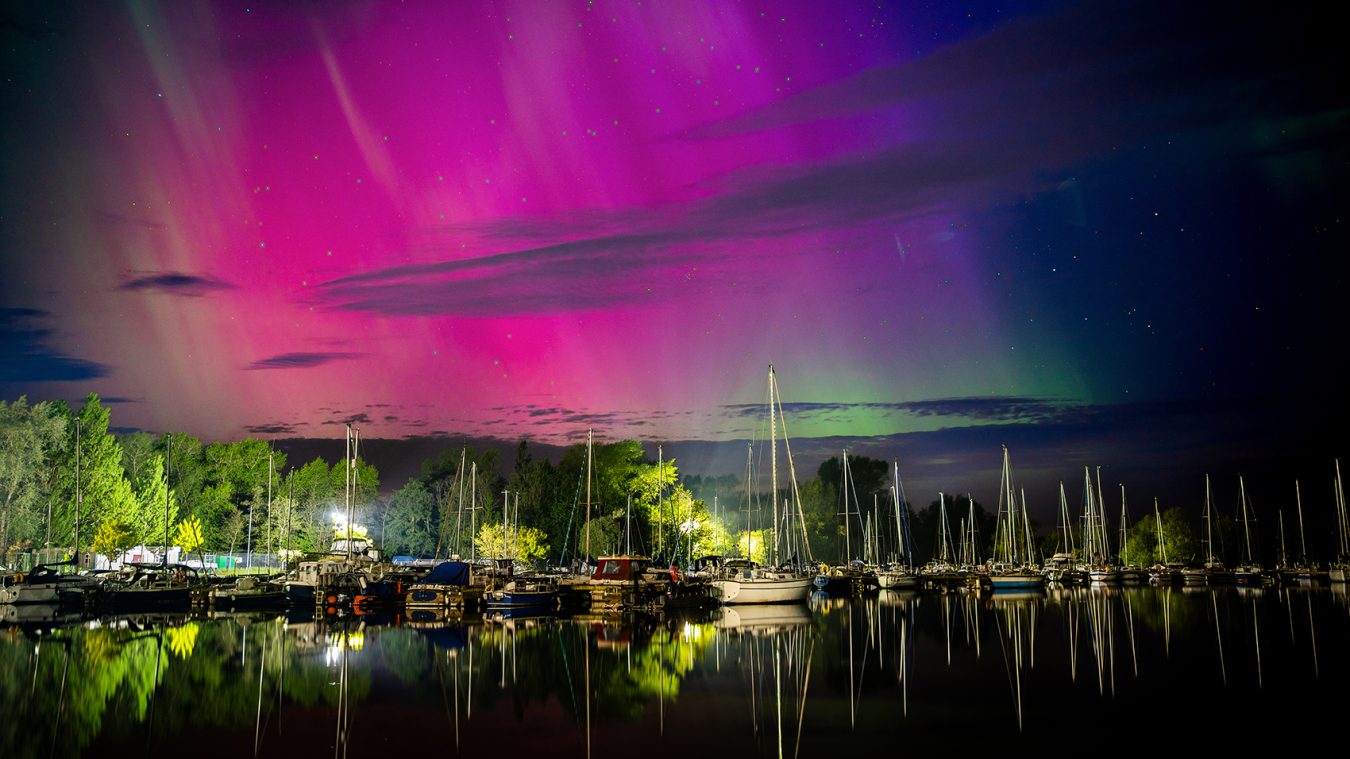
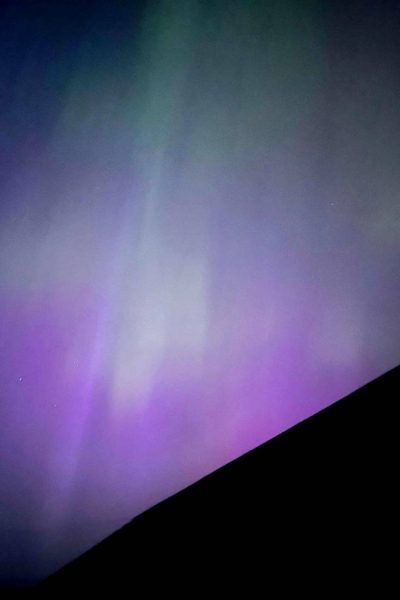
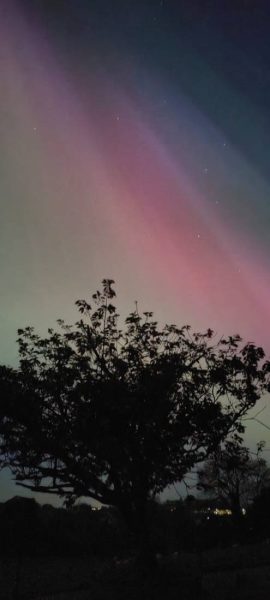
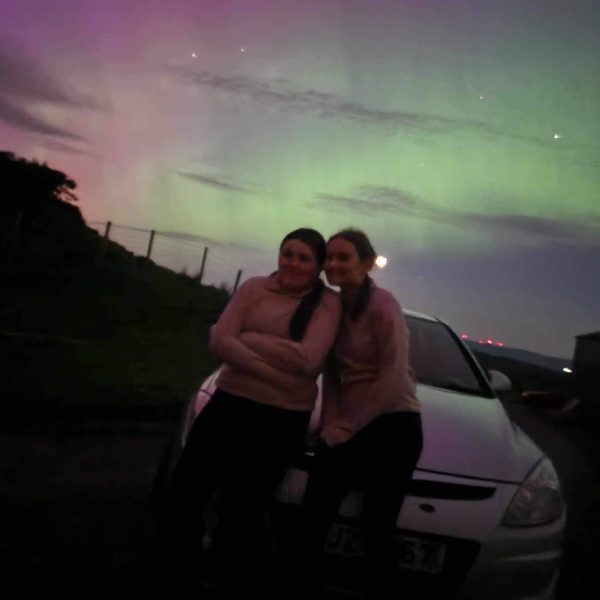
The colours of the aurora are produced by the excitation of different atmospheric gases. The most common colour, a vibrant green, is created when oxygen atoms are energized by the solar particles. Rarer shades of pink, purple, and blue are emitted when nitrogen atoms are excited, typically during more intense solar activity.
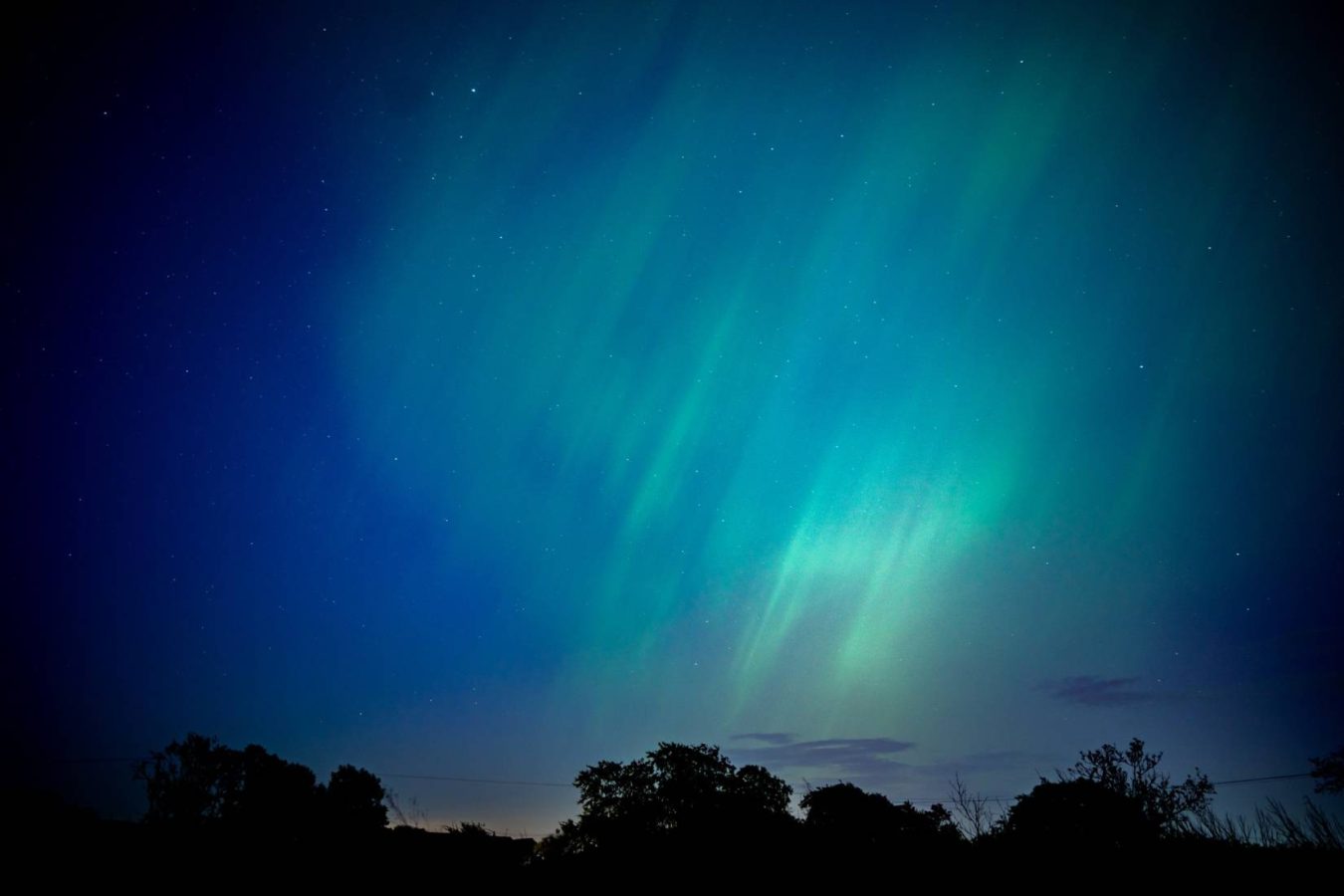
The lights can take various forms, from diffuse glows to shimmering curtains, arcs, rays, and coronas that seem to dance across the sky. The intensity and visibility of the Northern Lights are influenced by several factors, including solar activity, the Earth’s magnetic field, and atmospheric conditions. They are most frequently observed in the auroral oval, a ring-shaped region around the magnetic poles, with the best viewing locations being in high-latitude areas like Norway, Iceland, Greenland, Canada & Alaska. However, during periods of intense solar storms, the auroras can be seen farther away.
Mythology behind the aurora borealis
We now have the luxury of understanding what the aurora borealis is but can you imagine what our ancestors thought when they saw the lights in the sky! There are lots on interesting tales and myths surrounding the northern lights. I thought I would share a few with you now. Let me know your favourite …
Whilst a strong aurora is not often visible in southern Europe, when it does happen the colours are striking. In France and Italy it was often thought of as a bad omen, heralding the outbreak of war or death. In the UK, the skies were said to have been blazing red in the lead up to the French Revolution.
Aurora Borealis is derived from the Greek words for ‘sunrise’ and ‘wind’ and the ancient Greeks saw the Northern Lights as the sister of Helios (The Sun) and Seline (The Moon). They believed that the aurora appeared in the early morning sky, moving across it on a colourful chariot to alert the Sun and the Moon of a new day dawning.
In Iceland, the aurora was associated with the birth of a child and they believed that if the mother didn’t look at the aurora, her childbirth would be pain free. The myth around the aurora borealis in Finland is a truly beautiful one. They believed that a magical firefox produced the aurora, as his tail bounced across the snowy ground it caused colourful sparks to fly into the night sky. The Finnish word for Northern Lights is ‘revontulet’ which translates as ‘fire fox’.
In Norse mythology, there are a few suggestions for the origin of the aurora. Some believed it was the reflection from the armor and shields of the Valkyrie, female warriors who lost their lives in battle. Whilst others saw the Northern Lights as the ‘Bifrost Bridge’, a shimmering and pulsating arch that led fallen heroes to Valhalla, their final place of rest.
Common questions I get asked about the Aurora Borealis and how to photograph them
Why does the aurora look brighter and more colourful with a camera than with the naked eye? Cameras and smartphones have sensors to capture images and these sensors can be made more sensitive to light. Coupled with slower shutter speeds (to allow more light in for longer periods), the photographs produced are able to reflect the intense colours and movement of the aurora. Our human eyes see the lights in real time as it happens. Unfortunately it will never be as obvious or intense as what the camera can produce but still pretty special to witness all the same.
Can I see the aurora when there is a full moon? The simple answer is, it depends on the strength of the aurora on that night. If it’s a weak display then yes it will impact on what you can see. If the Northern Lights are strongly visible and provided the moon is not directly behind the display, then you still should be able to witness the aurora.
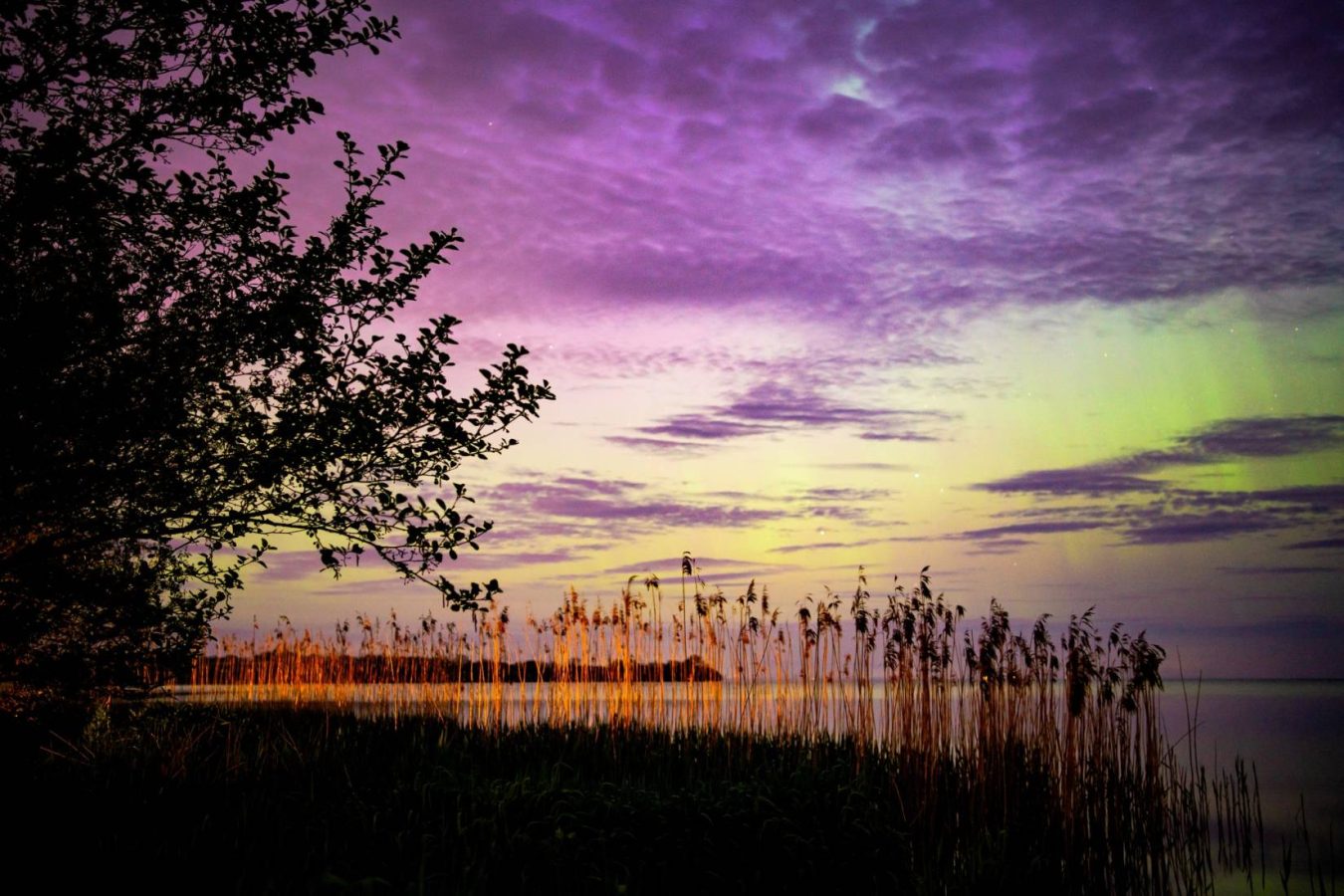
What happens if it’s cloudy? Unfortunately, if it’s dense cloud across the sky then the aurora won’t be visible. Living in Ireland, this is a common issue that we have. All the other stats are looking good and then a thick blanket of cloud appears. Game over. It often means having to go in search of a different location without cloud and checking the different weather apps available. This can be frustrating and you do have to have patience and persist to get the results you desire. I don’t mind some broken cloud on nights where the aurora is visible, as this can add some depth and interest to the photographs.
What is the KP index? If you are a follow of some of the aurora groups on Facebook or use any of the aurora apps, you may be familiar with the the Kp Index. This is a scale used to measure the intensity of the geomagnetic storms, starting from 0 up to 9. As a rough guide, the larger the Kp number, the better chance you have of seeing the aurora further south.
Most activity tends to be around Kp 1 to 3, impacting on the range in which the Northern Lights are visible (typically in Scandinavia here in Europe). Once activity reaches level 5 on the Kp Index, it’s said to reach storm level and is then also measured using the G-scale (geomagnetic). The huge storm that took place on 10th May reaching KP9, resulting in a G5 Extreme Storm level, the first one of such intensity since October 2003 in Ireland.
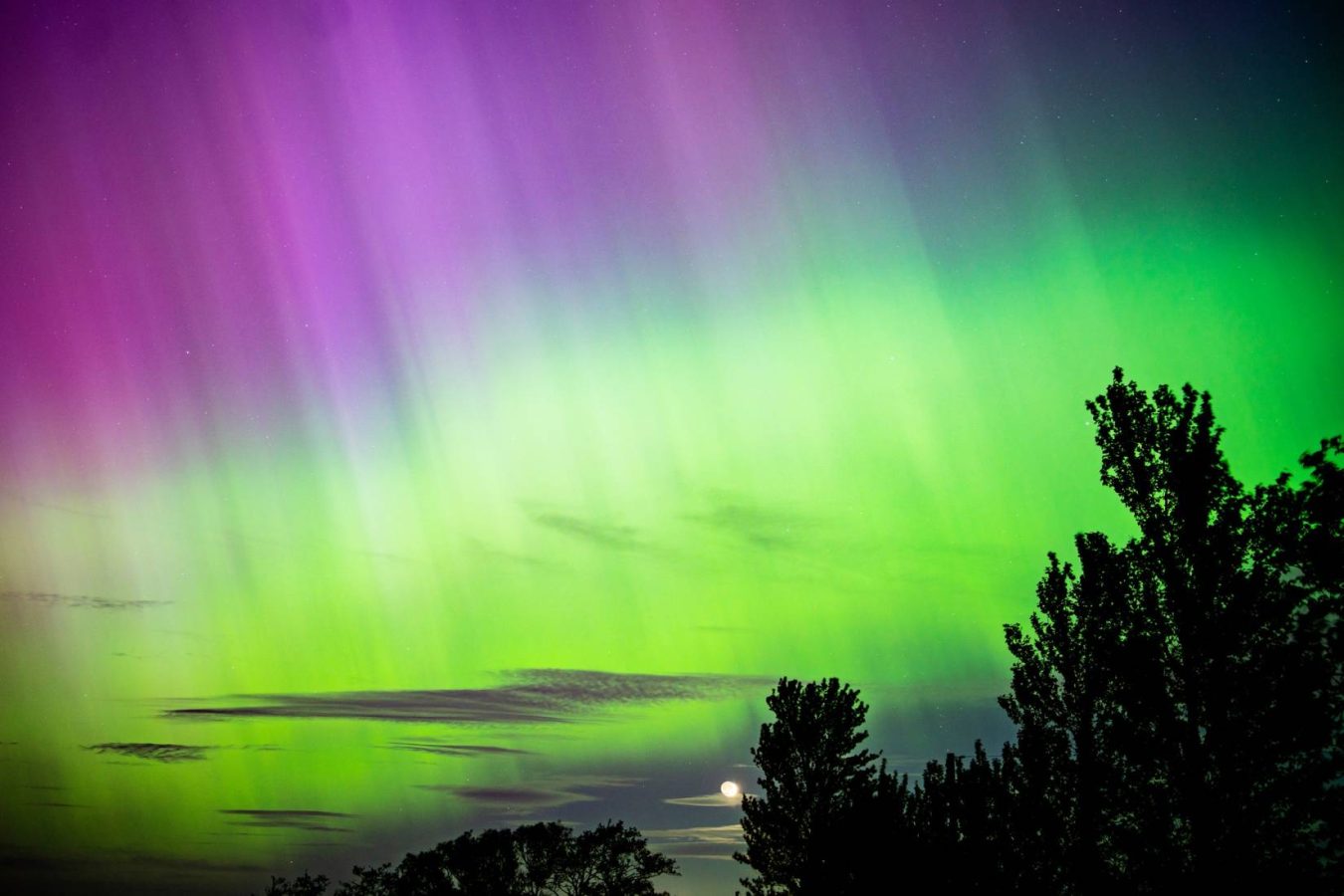
Why are the Northern Lights coloured differently? Most aurora displays tend to be visible as green, for two reasons. Firstly, the human eyes tends to detect the colour green more easily. Secondly, the main reason is due to the altitude at which solar particles collide with our atmosphere.
Different gases reside at different altitudes at various concentrations. When the solar particles collide with the different gases, they stimulate them and this determines the colour of the Northern Lights that become visible. Most solar particles tend to collide with the earth’s atmosphere at altitudes around 60 to 150 miles where oxygen is more abundant, resulting in the green colour we can often see.
In more intense storms, the solar particles interact with oxygen at higher altitudes (above 150 miles) where the gas is less abundant. Because oxygen is less concentrated at this altitude and is stimulated at a higher frequency, it produces the more intense red colours of the aurora. When the solar particles interact with Nitrogen gases of altitudes of 60 miles or lower, the blues and purple colours become apparent. This normally only tends to happen during very intense solar activity, with these colours showing towards the bottom of the display in the sky.
Want to learn more about photographing the Aurora?
I hope you have enjoyed reading about the Northern Lights, the myths and the science behind one of nature’s most spectacular phenomenon. It’s a fascinating subject to capture and one that will forever hold a special place in my heart. If you would like to learn more about how to take better photos of the Aurora Borealis with your camera or smartphone, why not purchase my new guide How to photograph the Northern Lights on The Photo Academy NI’s website. I’ve included some of the images that my followers and students sent into my social media channels below. Feel free to browse through and share this article to bring some colour into each other’s lives. Thanks for reading!
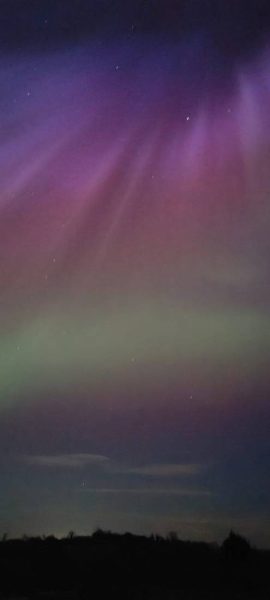
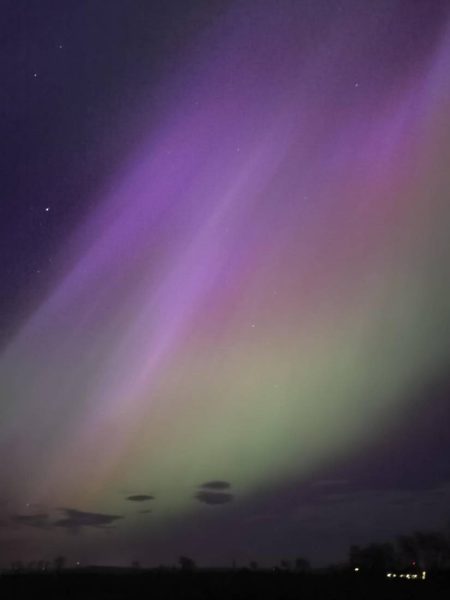
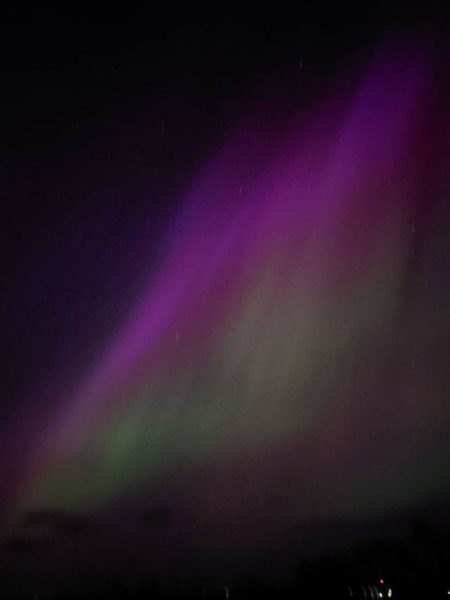
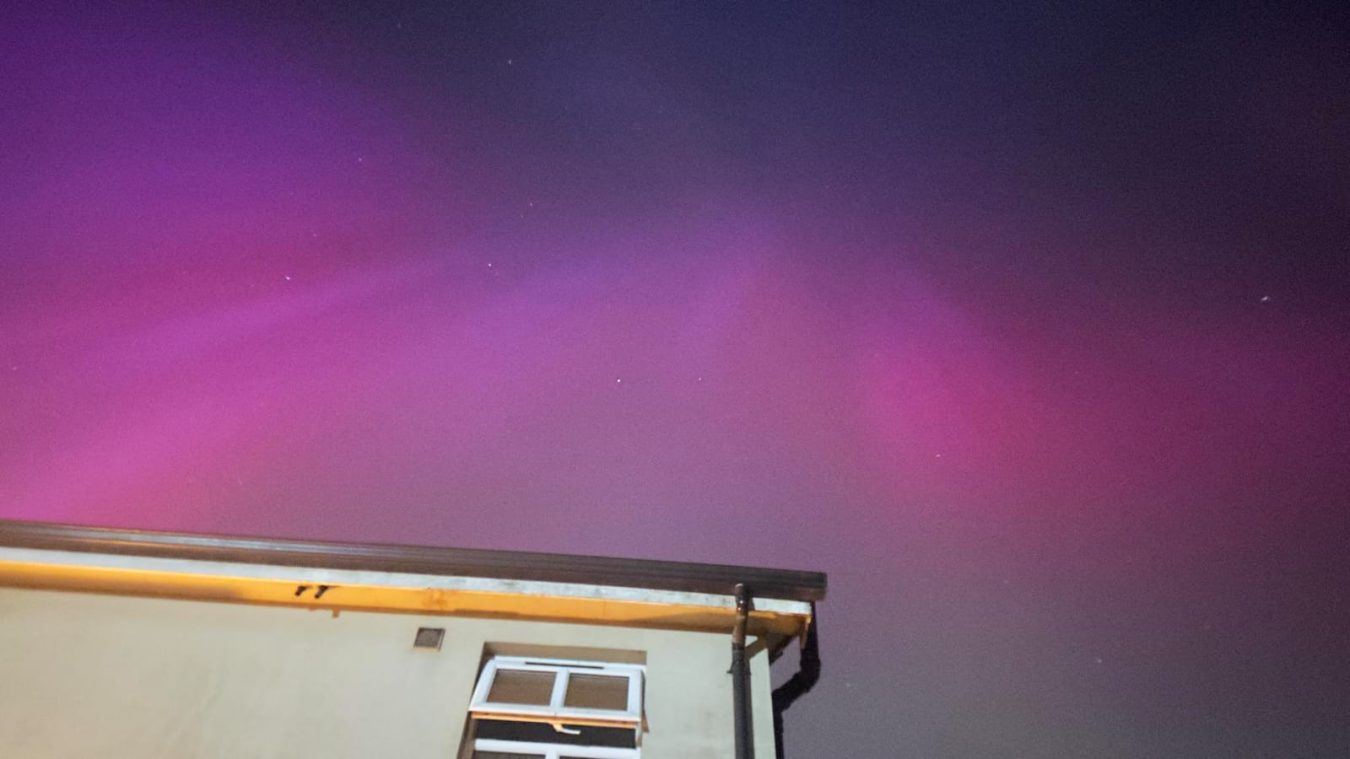
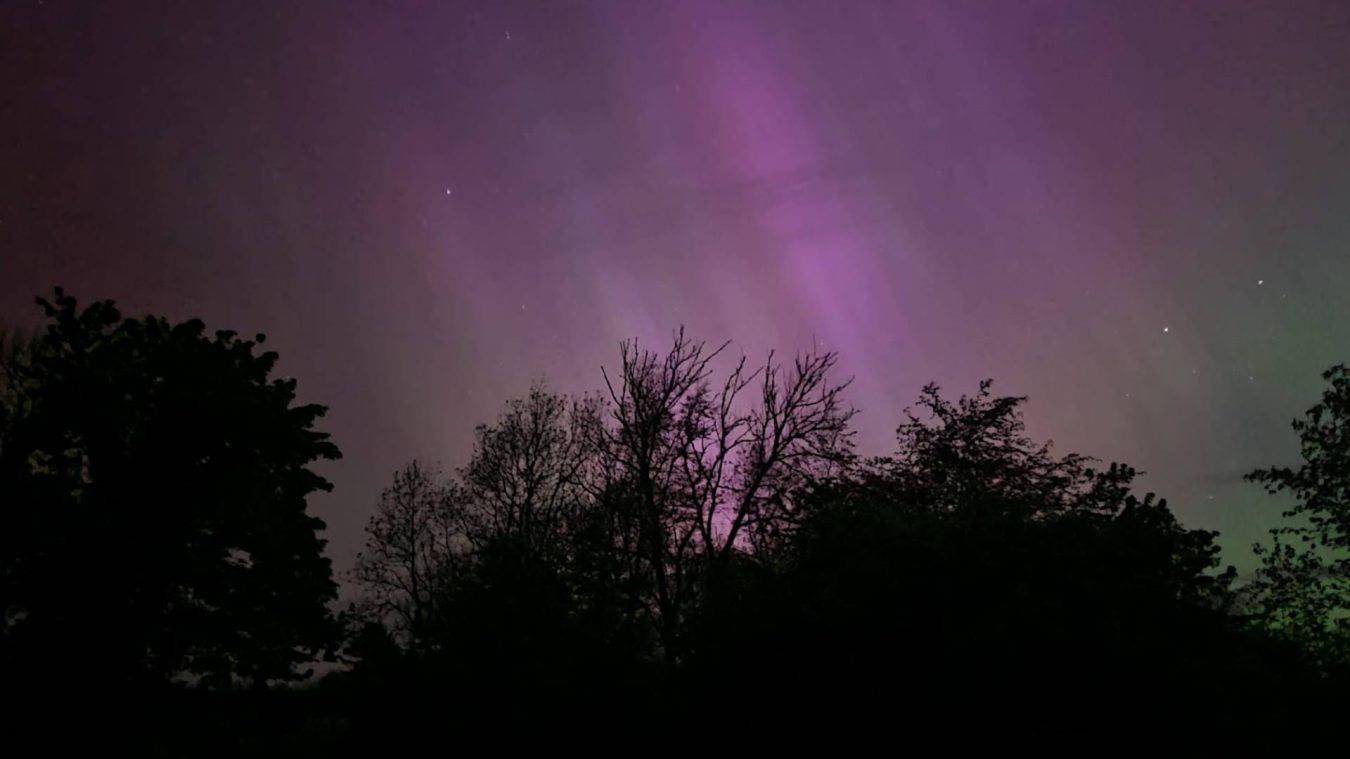
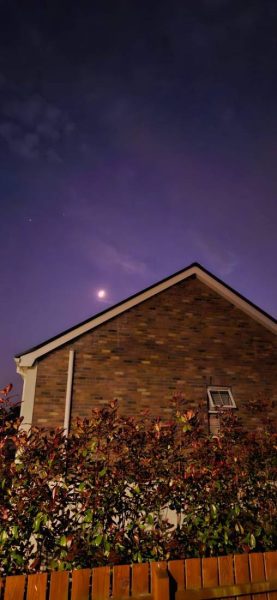
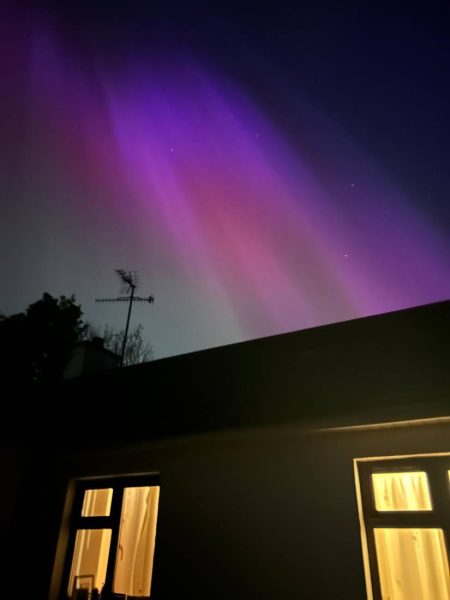
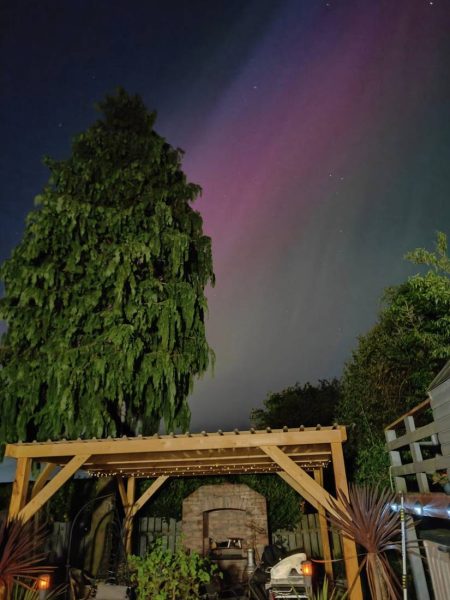
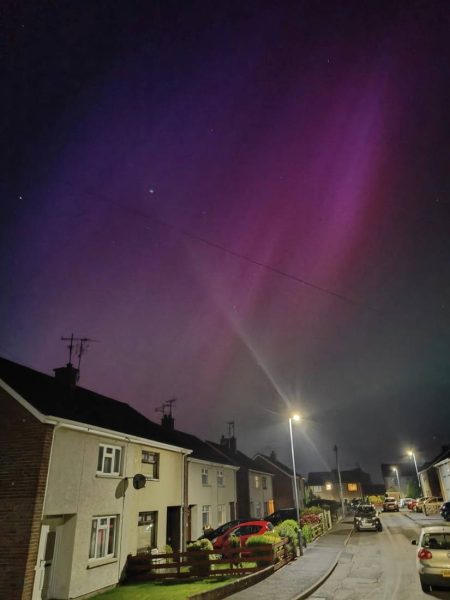
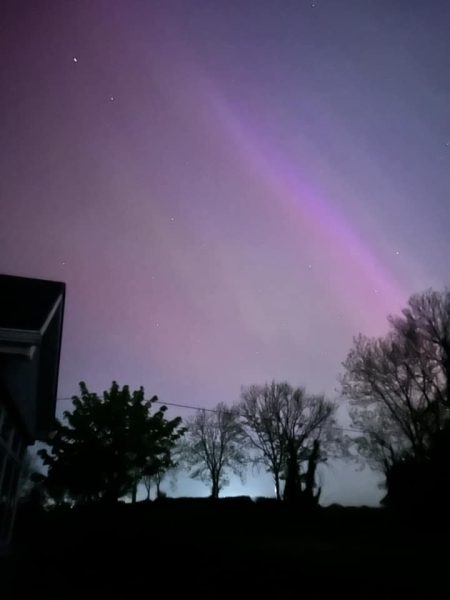
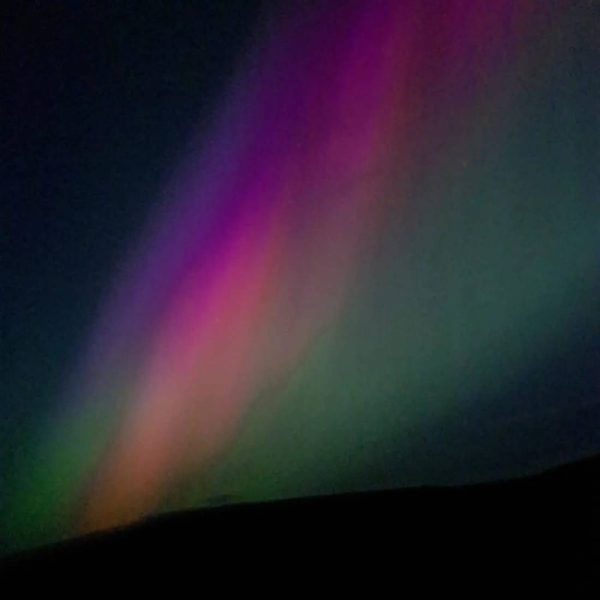
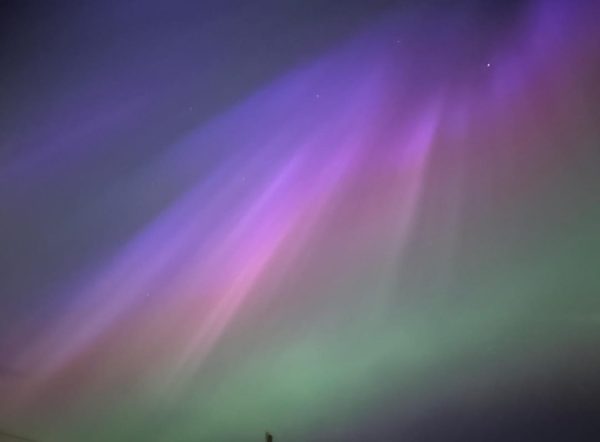
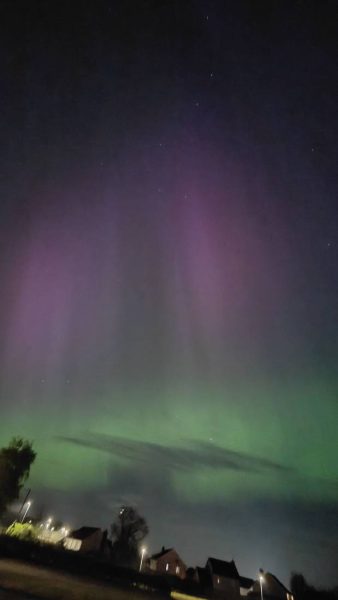
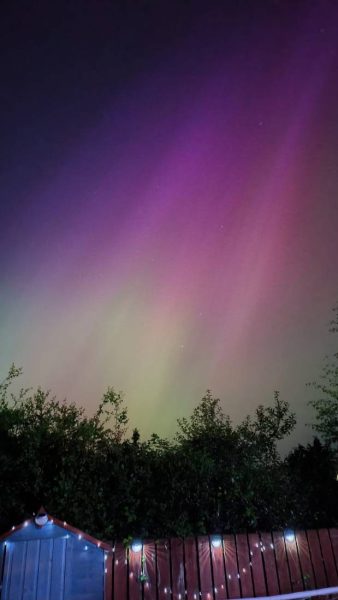
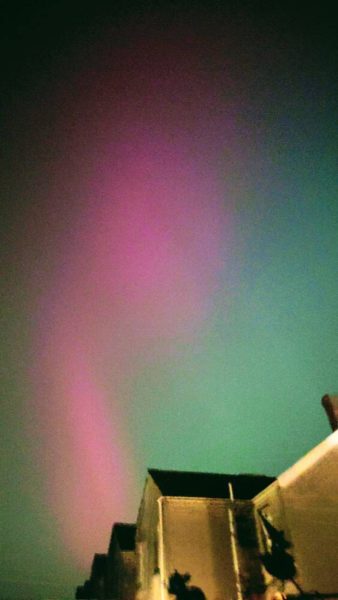
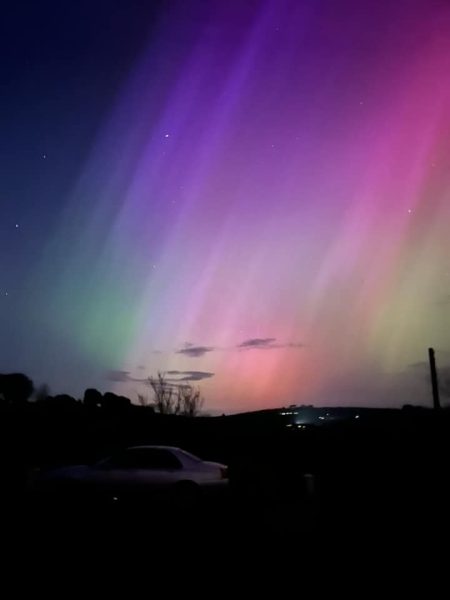
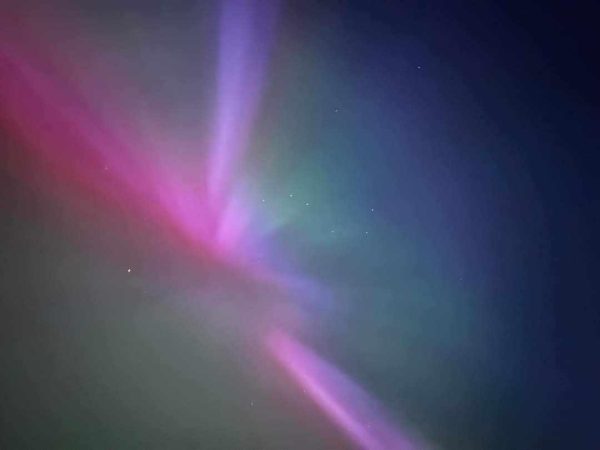
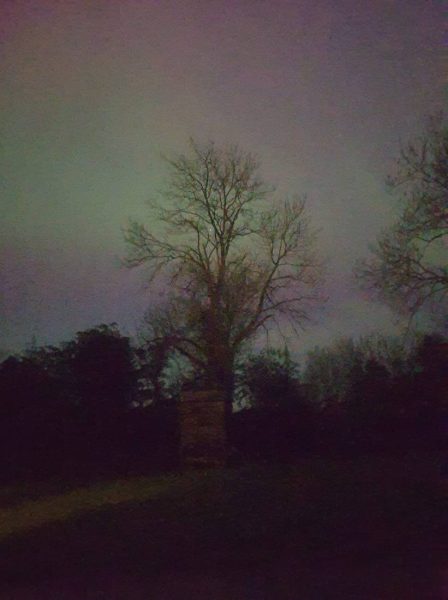
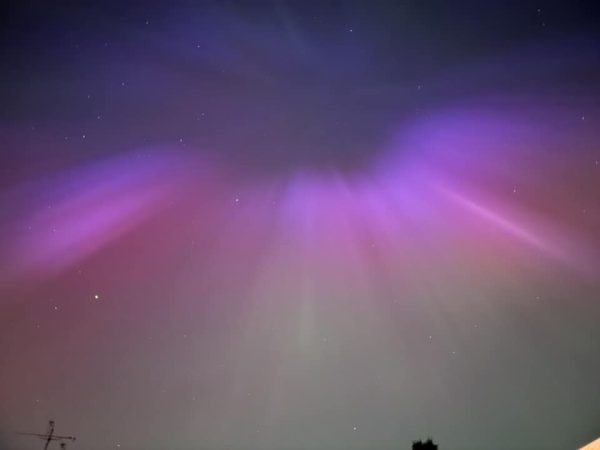
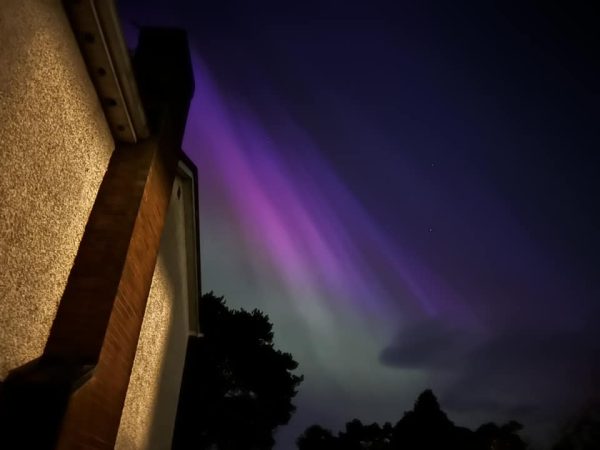
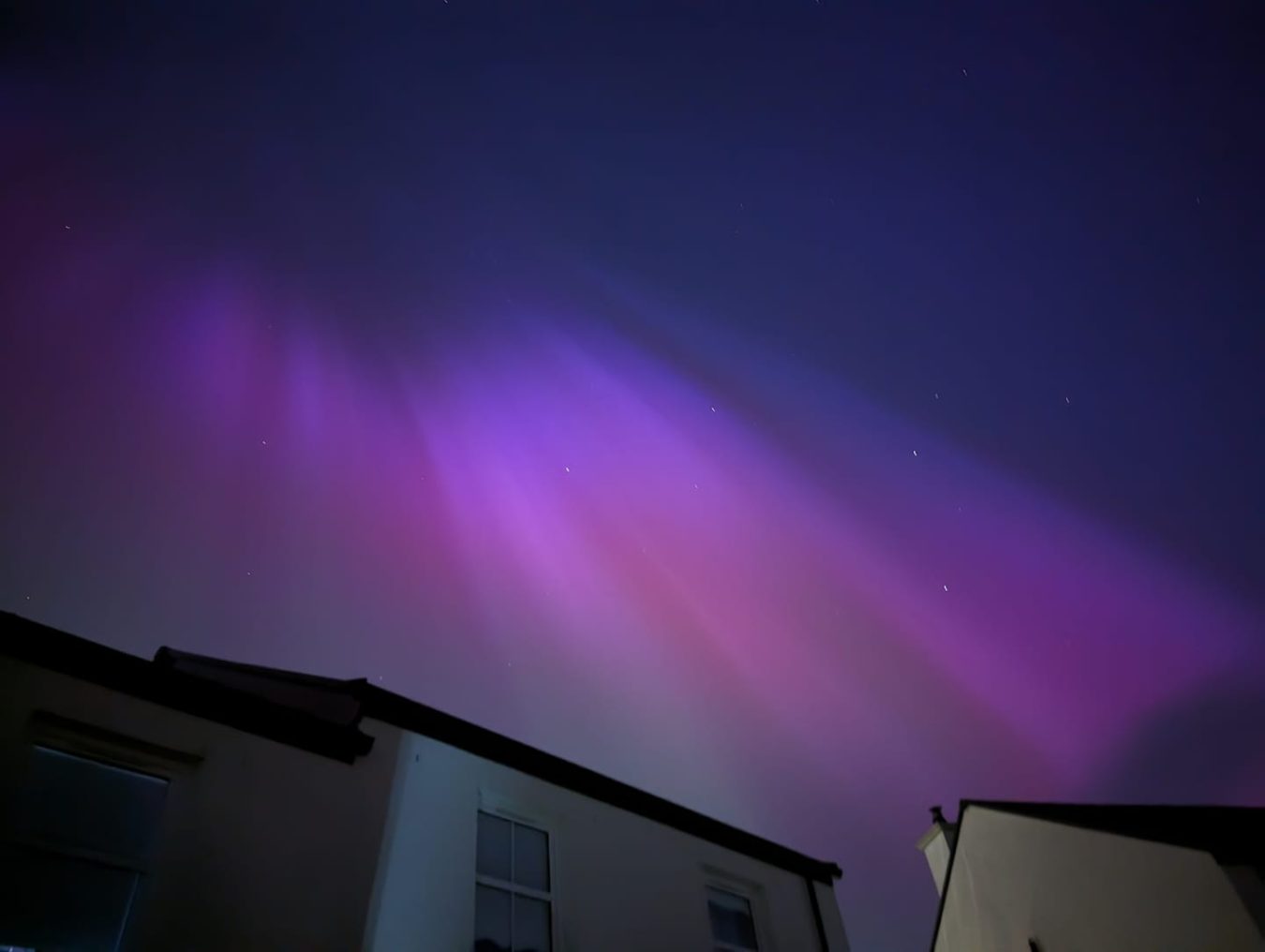
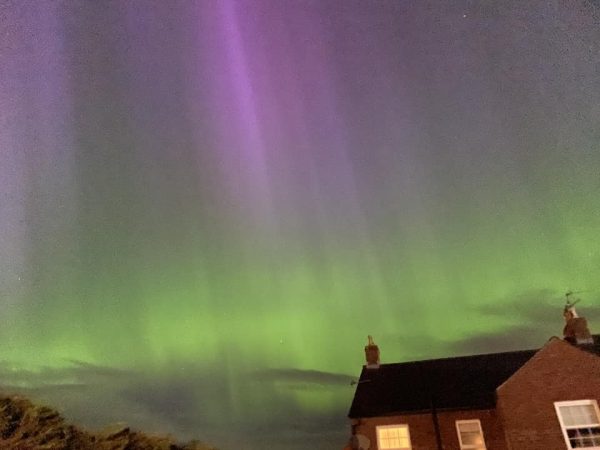
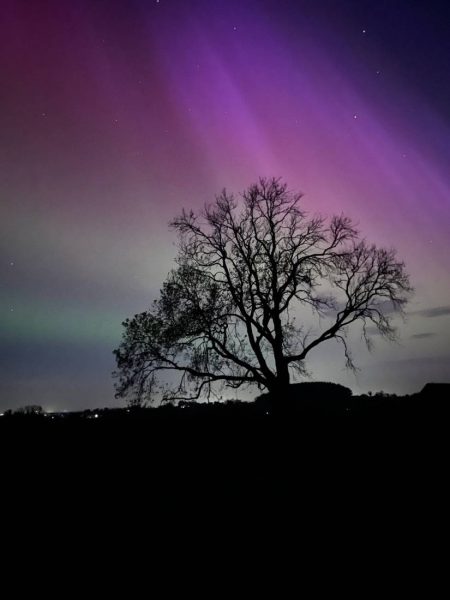
Some of my follower’s images of the Aurora Borealis from 10th May 2024
 Previous post
52 Week Photo Challenge – #52Creative
 Next post
CAUSEWAY COAST PHOTO WALK