10 Common Mistakes New Photographers Make When Starting a Photography Business

Starting a photography business is one of the most exciting decisions you can make. You’ve discovered that photography is more than just a hobby. You feel the pull to create something meaningful, something profitable, something that allows you to use your creativity in a way that genuinely impacts people.
But here’s what rarely gets talked about. Talent isn’t usually the reason new photographers struggle. A lack of direction and business knowledge is.
Every year, passionate creatives start their photography business, full of energy and big dreams. Many of them quietly stall within the first year – not because they aren’t capable, but because they fall into avoidable traps that drain their confidence, momentum and clarity.
As a professional photographer, I’ve been in your shoes. Prior to working as a photographer, I was a bank manager in a job that left me feeling unfulfilled. I studied at night class for my photography qualifications, whilst working full time. Deciding to take the leap to follow my heart and become self-employed was scary, but totally worth it. I made mistakes along the way and that’s why I decided to write this blog feature to help others who are on a similar journey.
If you’re serious about starting a photography business that actually earns money and grows steadily, understanding these common mistakes will save you months, if not years, of frustration. Let’s explore them in depth.
1. Waiting Until You Feel Completely Ready
One of the biggest myths about starting a photography business is that you need to feel ready before you begin. You tell yourself you’ll launch when your portfolio is stronger. When you’ve upgraded your camera. When you’ve taken one more course. When you feel more confident introducing yourself as a professional photographer.
The problem is that readiness is not a prerequisite for growth – it’s a by-product of action.
Confidence doesn’t appear magically one morning. It develops when you step forward before you feel fully prepared. Every experienced photographer once felt unsure. The difference is they started anyway.
When you delay launching because you’re waiting for perfection, you deny yourself real-world experience. And real-world experience is the fastest teacher there is.
If you’re at this early stage and feel unsure about your technical skills, structured support can make a huge difference. Our Learn Photography Online course is designed specifically for beginners who want to build strong foundations without feeling overwhelmed. It helps you develop practical skills so you can start your business with clarity rather than hesitation.
The key lesson here is simple: action builds readiness. Not the other way around.

2. Refusing to Choose a Direction
When starting a photography business, many beginners try to keep their options completely open. They’ll photograph families, weddings, events, pets, products, newborns and branding sessions – all at once. I did myself when I was first starting out so no judgement here!
While flexibility feels safe, it often creates confusion.
When your messaging is broad and unfocused, potential clients may struggle to see why you’re the right fit. People are drawn to clarity and they want to feel that you specialise in what they need.
Choosing a niche does not mean locking yourself into one thing forever. It simply gives your business a starting point. Y our direction will evolve naturally over time as you gain experience and discover what excites you most.
By selecting a “for now” niche, you create consistency in your portfolio, your messaging and your marketing. That consistency builds trust and trust leads to bookings. When starting a photography business, clarity is magnetic.

3. Spending Too Much Time Comparing Yourself to Others
Social media can be inspiring, however it can also quietly erode your confidence. When you’re starting a photography business, it’s easy to measure yourself against photographers who have been established for years. You see polished galleries, fully booked calendars and confident branding. Plus you assume they always had it easy.
Comparison pulls your focus away from progress and redirects it toward doubt. Instead of developing your own creative voice, you begin imitating trends or second-guessing your decisions. This is common among new photographers and an easy trap to fall into.
Building a sustainable photography business requires authenticity. Clients don’t connect with imitation. They connect with personality, warmth and individuality.
Rather than endlessly consuming other photographers’ work, prioritise creating your own. Experiment, practice and shoot regularly. Your style will emerge through doing, not observing.
4. Believing Expensive Gear Is the Solution
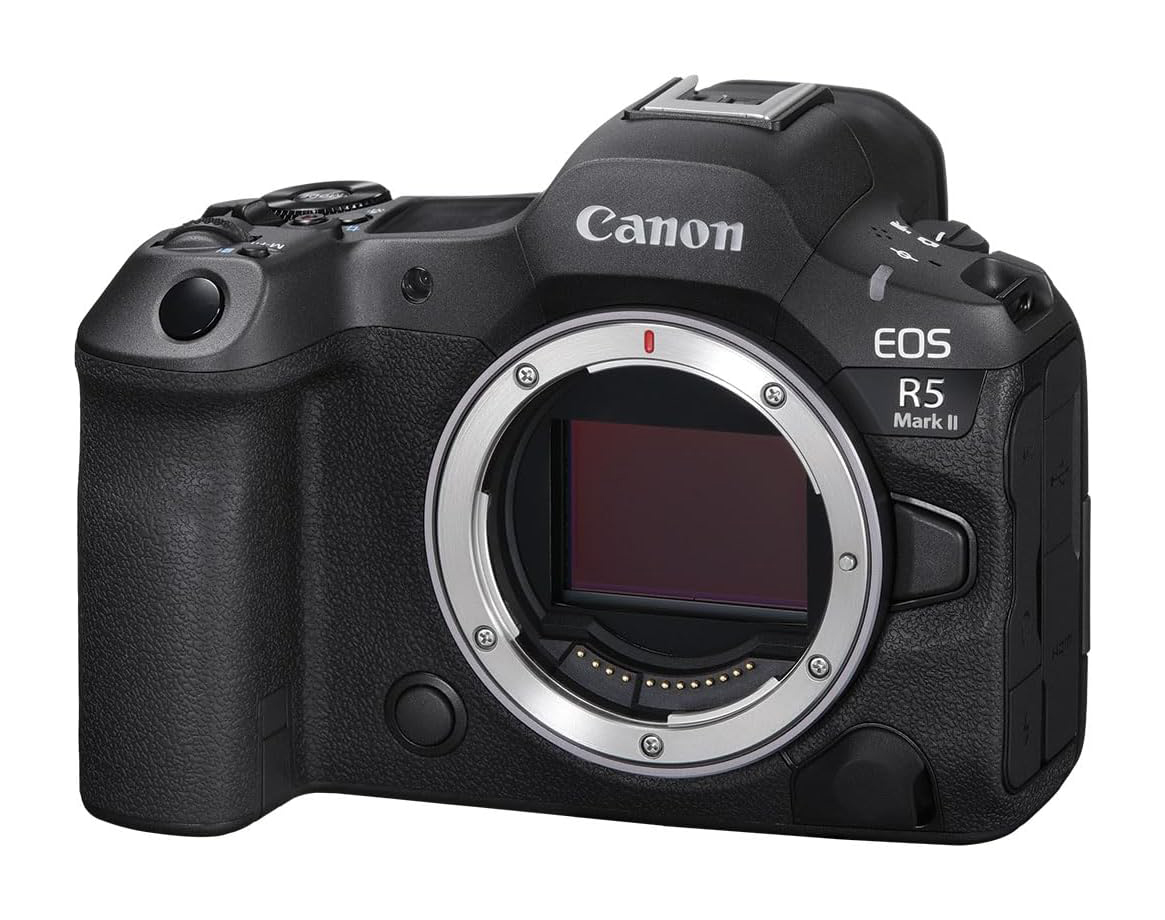
There’s a strong temptation, particularly in the early stages of starting a photography business, to assume better equipment equals better results.
Marketing messages reinforce this idea constantly. New camera bodies promise sharper images. Premium lenses claim to elevate your work instantly. It becomes easy to think that your next investment should be technical rather than educational.
But equipment is only a tool. Understanding light, composition and connection will always matter more than owning the latest model.
Mastering the fundamentals – ISO, aperture, shutter speed and how light behaves – will transform your images more dramatically than upgrading your camera. A photographer who deeply understands these principles can produce beautiful work with modest gear.
If you want structured guidance through these essentials, our Learn Photography Online course breaks down technical knowledge into clear, manageable lessons that help you build confidence quickly. It’s ideal for those who want flexibility while developing real skill.
When starting a photography business, invest in knowledge first. Gear can follow.
5. Not Shooting Consistently Enough
Photography is a practical craft. You cannot improve without repetition.
One of the most common mistakes new photographers make when starting a photography business is spending disproportionate time on branding elements. Logos, colour palettes, website tweaks, while rarely picking up their camera.
Your portfolio is your strongest marketing asset. The only way to strengthen it is through frequent practice.
Consistent shooting improves more than just technical skill. It sharpens your workflow, strengthens your communication with clients and increases your confidence during sessions. You become faster at problem-solving and more intuitive in your approach.
Momentum builds when you show up regularly. Even unpaid shoots early on can accelerate growth. Collaboration projects, model calls or personal creative sessions all contribute to developing your craft.
The more you shoot, the more natural running your photography business becomes.

6. Delaying Launch Because You Don’t Have a Website
Many photographers postpone starting a photography business publicly because they believe they need a fully polished website first. While a website is valuable long-term, it is not essential in the beginning.
In the early stages, what matters most is visibility and trust. Social platforms, word-of-mouth recommendations and direct conversations often generate bookings faster than a newly launched website with limited traffic.
Additionally, your style and niche may evolve quickly in your first year. Creating a detailed website too early can result in constant redesigning as your direction shifts.
Instead of waiting for perfection, begin by showcasing your work consistently online and engaging in genuine conversations with potential clients. A simple digital brochure or pricing guide can effectively communicate your services while you refine your brand.
Starting a photography business requires action, not aesthetic perfection.
7. Ignoring the Business Foundations
This is where many talented creatives stumble. You may love photography deeply, but starting a photography business means becoming a business owner. That includes understanding pricing, marketing, systems and client experience.
Without structure, enthusiasm fades quickly. You may undercharge because you feel uncertain. You may struggle with inconsistent enquiries. You may feel overwhelmed trying to manage bookings and editing without clear processes.
Business skills are not optional if you want sustainability. Learning how to communicate value, manage enquiries efficiently and create smooth workflows transforms photography from a hobby into a professional service.
I offer dedicated support to photographers in business as part of my 369 Mentoring Programme – we integrate these practical elements alongside creative training and marketing, plus lots more. Knowing how to take beautiful photos is only part of what makes a photography business profitable.
8. Overcomplicating Pricing
Few topics create more anxiety and confusion than pricing. When starting a photography business, it’s easy to fall into extremes. You might drastically undercharge because you feel inexperienced. Or you might set ambitious prices without the portfolio or confidence to support them.
The truth is your initial pricing is not permanent. It is a starting point. Pricing should reflect your current skill level, costs and local market while allowing room for growth. As your experience increases and demand rises, adjustments become natural.
Overthinking pricing delays progress. Booking real clients and delivering excellent service teaches you far more about value than endless calculations ever will. Starting simple and refining as you grow is often the most practical path forward.

9. Depending Solely on Social Media
Whilst social media can play a helpful role in starting a photography business, it should not be your only marketing strategy.
Algorithms change. Reach fluctuates. Engagement can be unpredictable. Building your entire business on a platform you do not control is risky.
Personal connections, referrals and local networking often convert more effectively than passive online posts. Direct communication builds trust quickly and creates stronger relationships. A balanced marketing approach protects your business long-term. Social media can support visibility, but genuine connection sustains bookings.

10. Avoiding Investment in Education and Support
Perhaps the most underestimated mistake when starting a photography business is attempting to do everything alone. It can feel safer to rely on free tutorials and trial-and-error learning. However, this approach often slows progress and without real life practical advice, you may waste time pursuing strategies that do not align with your goals.
Investing in structured education accelerates growth. It provides clarity, accountability and a roadmap. After studying photography for GCSE and A Level at college, I invested in a number of practical and business workshops across Ireland and the UK. This is where I got to grips with editing, understood the basics of exposure and learnt about running a business. When you speak with someone who is a working photographer, they can really help guide you and ensure that you avoid the pitfalls along the way.
Our Learn Photography Online course offers foundational guidance for those at the very beginning of their journey, helping you move from uncertainty to confident action. Investment is not simply a cost. It is often the shortcut that prevents expensive mistakes later.

Final thoughts …
Starting a photography business is not about having flawless confidence, perfect branding or the most advanced equipment. It is about clarity, consistency and courage.
Every successful photographer once stood exactly where you are now. Questioning whether they were ready, wondering if they were good enough and trying to figure out how to turn passion into profit.
The difference between those who succeed and those who quietly give up rarely comes down to talent. It comes down to taking action despite uncertainty and seeking guidance rather than struggling alone.
If you are serious about starting a photography business that grows steadily and sustainably, equip yourself with the right foundations. Develop your technical skill, understand the practicalities of running a business and practice consistently. Market intentionally and begin before you feel fully prepared.
Your future clients are not waiting for you to feel ready. They are waiting for you to show up. And the sooner you do, the sooner your photography business becomes real.