Best Camera for Beginners: How to choose your first camera with confidence

Choosing the best camera for beginners has never been more exciting, or more confusing. Walk into any UK camera retailer or browse online and you’ll see dozens of models from Canon, Sony, Nikon, Fujifilm, Panasonic and others, all claiming to be perfect for new photographers. Add in mirrorless vs DSLR debates, megapixel marketing, and endless YouTube reviews, and it’s easy to feel stuck before you even start.
It’s one of the top 3 questions that I get asked as a professional photographer and educator. What I normally tell people who ask is that you don’t need the “perfect” camera to get started. What you do need the right camera – one that is suitable for your personal goals, that fits your budget and that you are comfortable using. Couple this with your motivation to learn and that’s you off to a flying start.

This blog feature will walk you step-by-step through everything you should consider when choosing the best camera for beginners. We’ll cover goals, camera types, mirrorless vs SLR cameras, features that actually matter plus lots more. Maybe you are confused about how much to spend, whether you should buy new or used, or aren’t sure which brand is best for you. We cover some common mistakes that people make when purchasing and provide you with a simple decision framework, including current camera examples available to photographers.
Let’s start with the most important question most buyers skip.
Start with your photography goals (not the camera list)
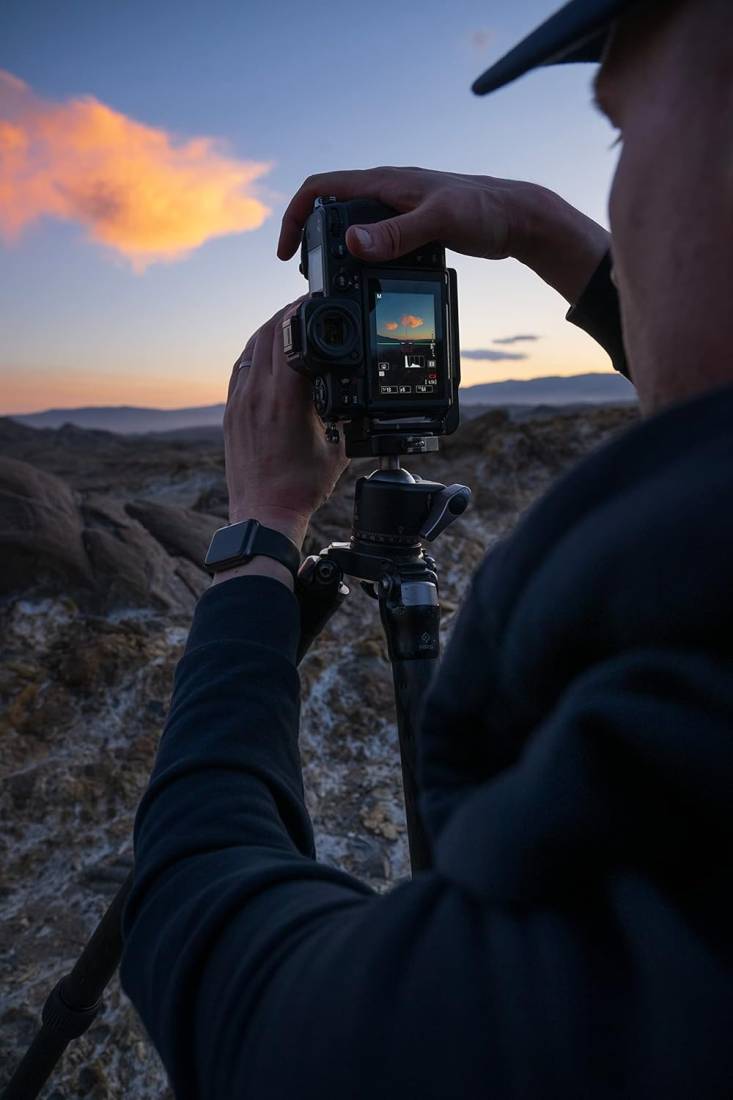
Before you compare brands or specs, define what you actually want to photograph. This shapes everything, from camera type to lens choice to budget.
Many beginners search for the best camera for beginners as if there is one universal answer. There isn’t. A camera that’s perfect for wildlife may be frustrating for travel. A brilliant video camera might not be ideal for learning still photography fundamentals.
If you want to photograph travel and everyday life, portability matters. A lighter mirrorless camera with a small zoom lens will get used more often than a heavy body left at home. If portraits interest you, you’ll benefit from a camera system with affordable prime lenses and good eye-detection autofocus. If you’re drawn to sports or wildlife, autofocus speed and lens reach become more important than compact size.
If your main aim is learning photography as a skill – exposure, composition, depth of field – then ease of manual control and a clear interface matter more than advanced video features. Your goal is not to predict your entire future, it’s simply to choose a starting point. The best beginner camera supports that direction without making learning harder than necessary.

Types of Cameras that beginners should consider
When people are first starting out, they usually end up choosing between four practical categories. Most people now own a smartphone and that’s where your introduction to photography might begin. A lot of parents contact me asking for advice around their children’s interest in photography. They can’t decide which camera is the best camera for beginners and that’s where I can help. Each type of camera has it’s place, but also has tradeoffs.
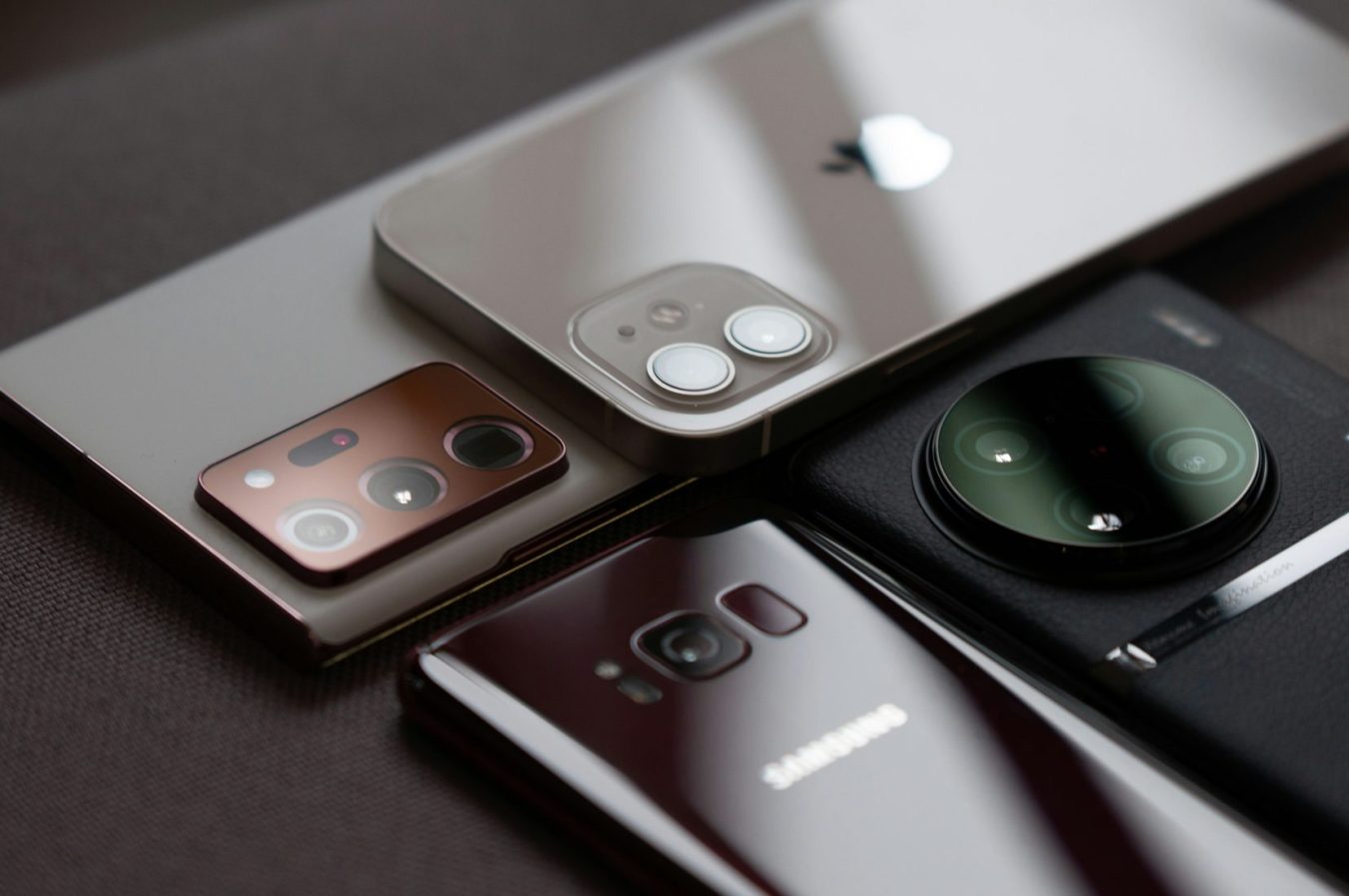
Smartphones
Modern smartphones are computational photography machines. They merge multiple exposures, apply HDR automatically, and produce impressive images in good light. For casual shooting and social sharing, they’re excellent.
But they limit creative learning. Sensor sizes are small, lens control is restricted, and background blur is mostly simulated. You can’t easily learn focal length behavior or optical depth of field the same way you can with a dedicated camera.
A phone is fine for casual photography. It is not ideal if your goal is to learn photography.
Compact Cameras
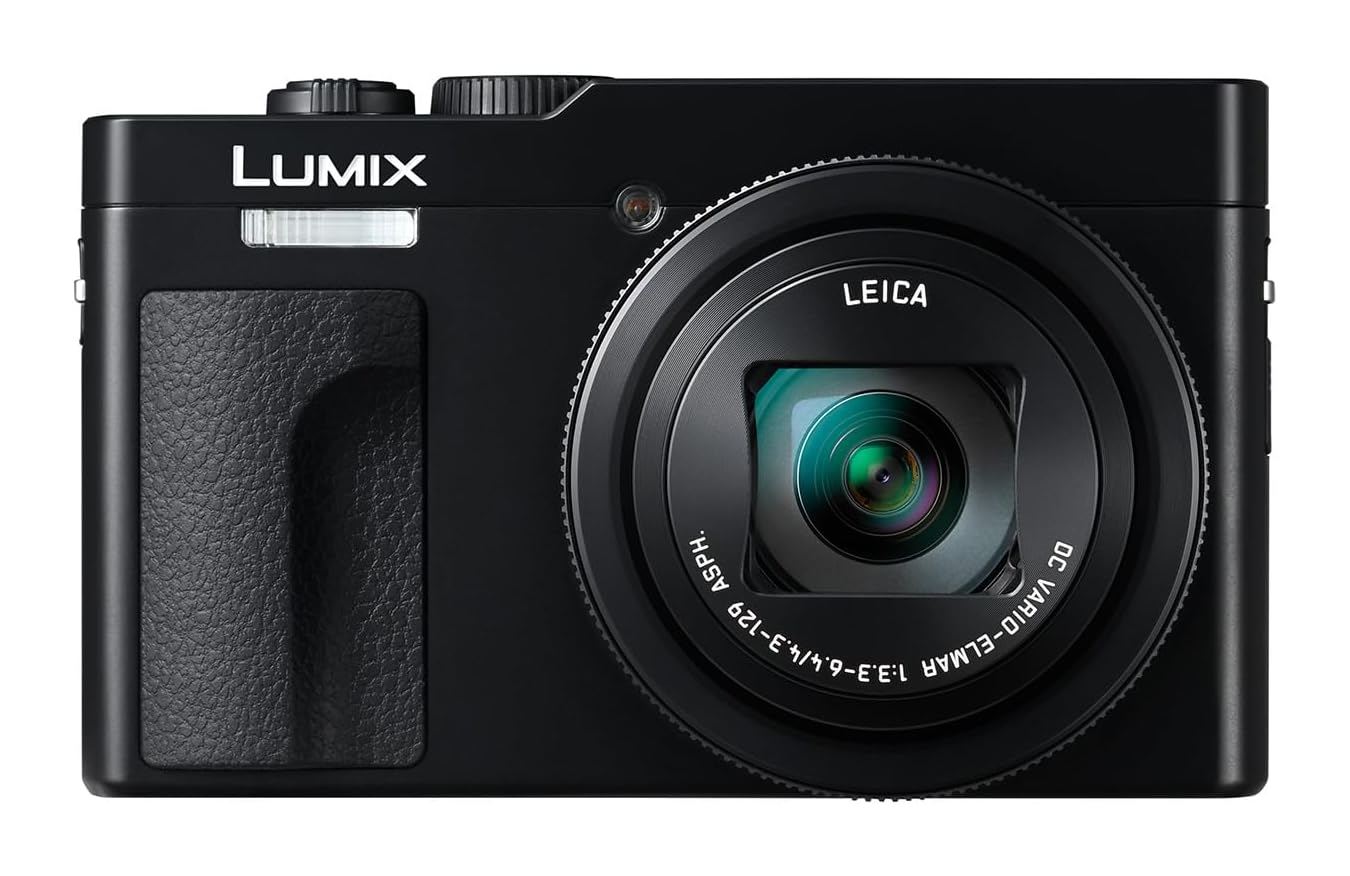
Compact cameras (point-and-shoot models) are simple, portable, and require no lens changes. Some premium compacts produce very good image quality and include manual controls. They’re useful if you want better quality than a phone without system complexity. They’re also good for travel where changing lenses is inconvenient.
The limitation is growth. You cannot change lenses, so your creative flexibility is capped. Many beginners who get serious eventually outgrow compacts.
Bridge Cameras
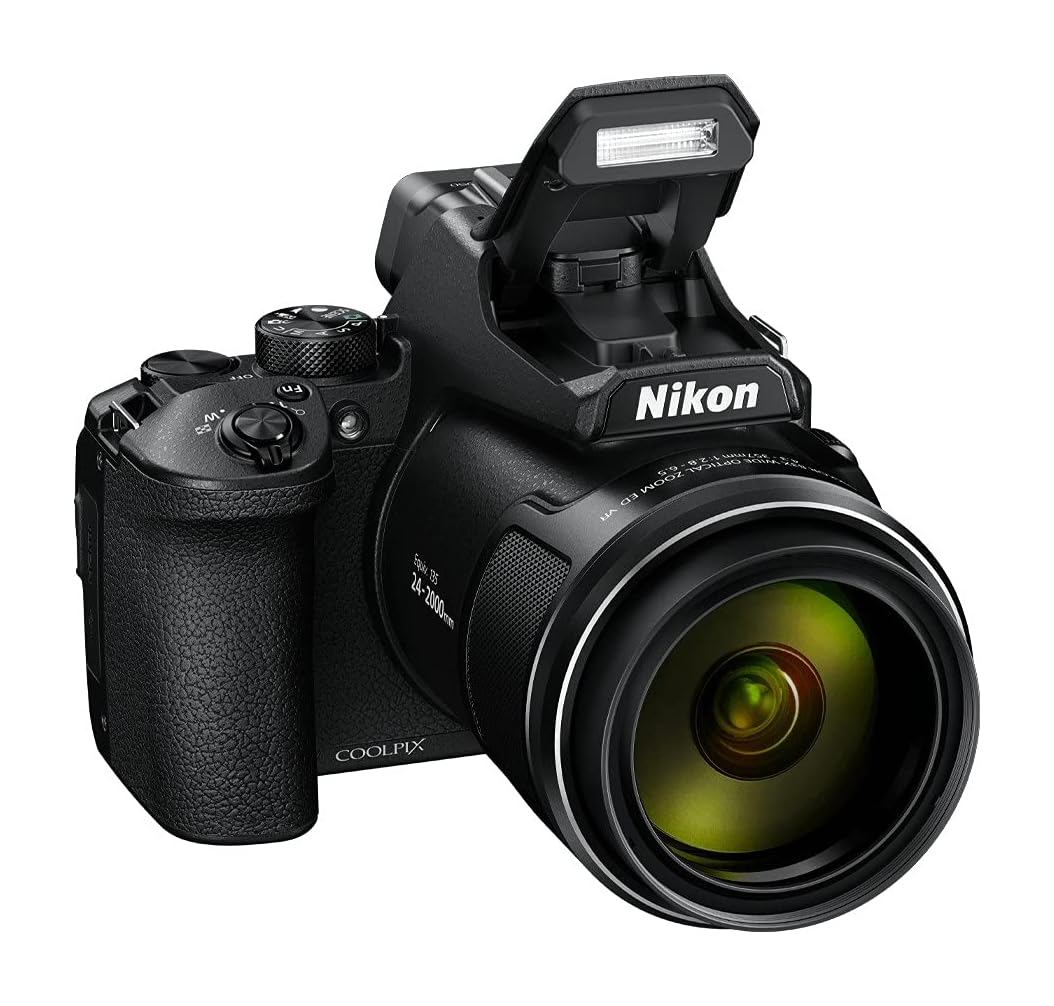
Bridge cameras sit between compacts and interchangeable-lens systems. They usually include a large zoom range built into the body. Models like the Nikon P950 are popular with beginners interested in wildlife or aviation because they offer extreme zoom without extra lenses.
They’re convenient and flexible, but the sensors are typically smaller than mirrorless or DSLR cameras, which limits low-light performance and background blur. Most students that I’ve worked with get frustrated with the inability to change lens so for this reason I don’t normally recommend bridge cameras to anyone who is serious about progressing their photography longer term.
Interchangeable Lens Cameras (Mirrorless and DSLR)
This is where most serious beginner recommendations live. These systems allow lens changes, manual control, creative growth, and system expansion.
If you’re committed to learning photography, this is where you should focus your search for the best camera for beginners.
Which brings us to the next big question …
DSLR vs Mirrorless: Which is best for beginners?
The DSLR vs mirrorless question is another common question that I get asked. Both can be excellent beginner cameras. The difference is how they work, your budget and where the industry is heading.
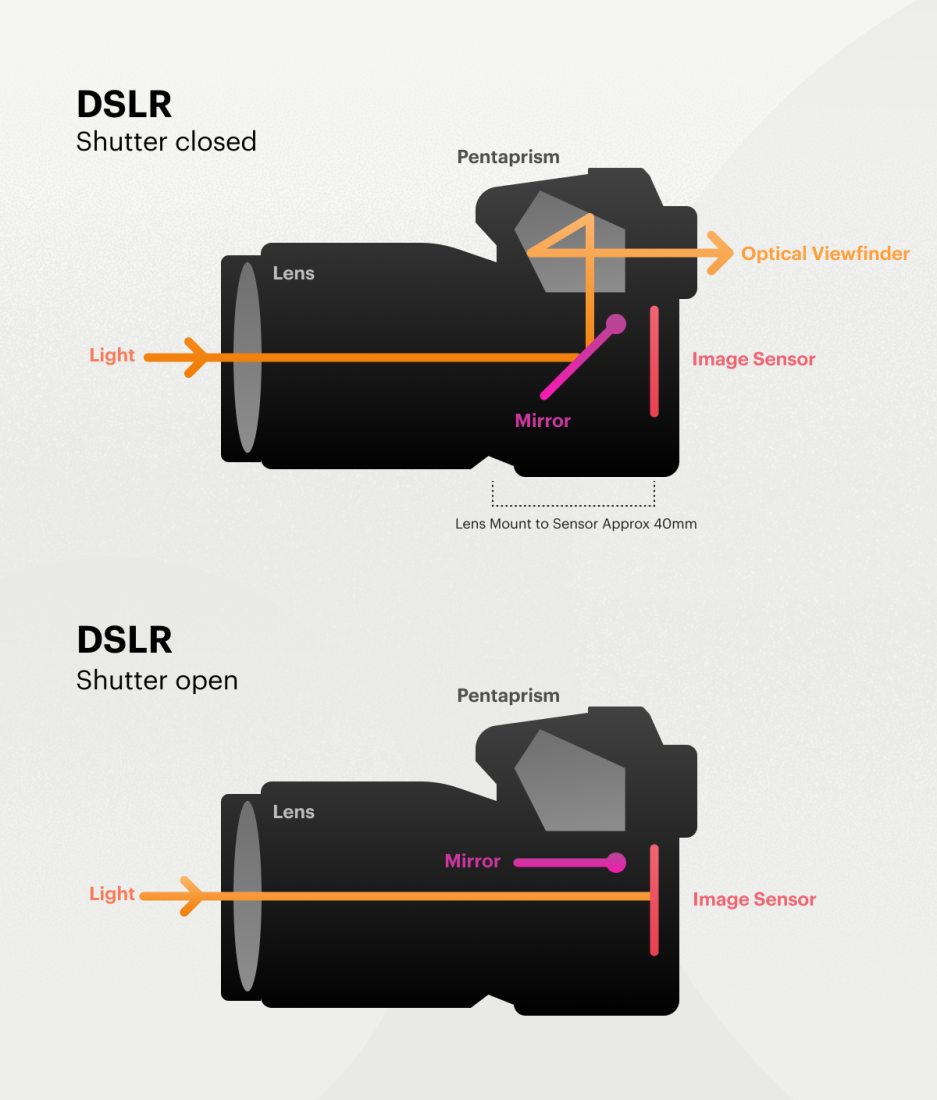
A DSLR camera uses a mirror and prism system to give you an optical view through the lens. When you press the shutter, the mirror flips up and exposes the sensor. This design defined digital photography for decades.
A mirrorless camera removes that mirror system entirely. Light goes directly to the sensor, and you view the scene through an electronic viewfinder or rear screen.
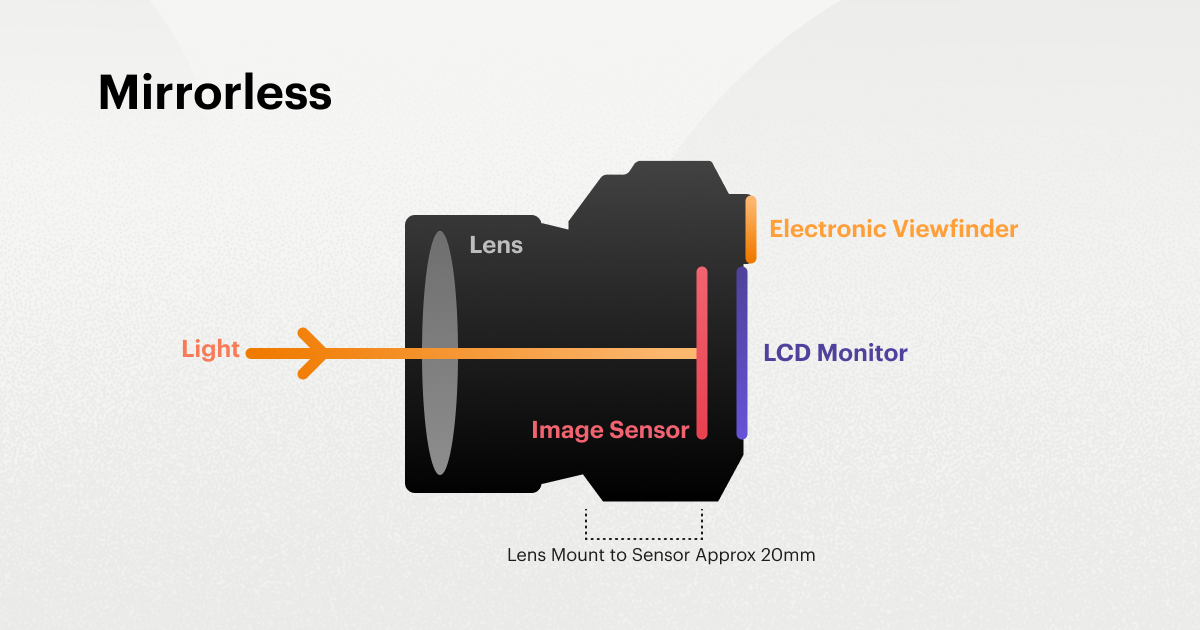
Mirrorless cameras show a live preview of your exposure, colour, and depth of field before you take the shot. If your image is too dark, you see it immediately. This speeds up learning dramatically. Mirrorless autofocus systems now often include subject detection and eye tracking, which increases keeper rates for new photographers.
DSLRs offer an optical view that some people still prefer. Battery life is usually longer because optical viewfinders use less power. DSLR bodies often feel larger and more comfortable in hand, especially with bigger lenses. They also offer strong value on the used market.
Manufacturers are currently investing more heavily in mirrorless systems, which makes them more future-proof. However, a good DSLR remains a perfectly valid beginner tool, especially if budget matters.
If you want modern features and lighter weight, mirrorless is usually the better beginner choice. If you want lower cost and traditional handling, DSLR still works well.
Megapixels: What actually matters?
Megapixels are one of the most misunderstood parts of beginner camera buying.
More megapixels do not automatically mean better photos. They mainly determine how large you can print or crop. For most beginners, anything between 20 and 26 megapixels is more than enough.
Image quality depends more on sensor size, lens quality, dynamic range, and low-light performance than raw megapixel count.
Chasing megapixels is rarely how you find the best camera for beginners. It’s mostly marketing noise at this level.
Beginner-Friendly features that truly help
A beginner camera shouldn’t terrify you or tip you over the edge! They should support your photography journey and increase learning speed. Having worked with a wide variety of cameras throughout the years whilst teaching workshops or 1-2-1 mentoring, I’ve found that cameras tend to have some common features genuinely help.
A clear menu system matters more than you expect. Some brands structure menus more intuitively than others. Flip or tilt screens help with awkward angles and self-shooting. Reliable autofocus with face and eye detection increases success rates and reduces frustration.
Built-in stabilisation, either in the body or lens, can help to reduce camera shake when shooting handheld. Wireless transfer makes it easier to move photos to your phone for sharing or backup.
Manual mode availability is essential. Even if you start in auto, you want room to grow. The best camera for beginners is not overloaded – it’s understandable.

How much should a beginner spend on a camera?
This is a question that only you can really answer. What I will say is you do not need very expensive professional gear to get started photography. Overspending often creates pressure instead of progress. However, if your budget is more generous, then feel free to go for the better option.
Think in terms of a starter system budget, not just a camera body. Include at least one lens, a few memory cards, a spare battery and a basic bag.
In the UK market in 2026, a solid beginner mirrorless kit typically sits in the mid-hundreds to low four-figure range. DSLRs, especially used, can cost less. If spending more means you’re afraid to carry the camera, you’ve spent too much.
Buying Used vs New
Buying used is one of the smartest ways to reach the best camera for beginners at a lower cost. Cameras age well, and depreciation is steep.
Reputable UK camera retailers often sell used gear with warranty. Look for shutter count (on interchangeable lens cameras), body condition, and return policy. If you would like more information or advice regarding this matter, I offer lots of useful tips and guidance on my photography workshops and 1-2-1 mentoring sessions.
Used savings can be redirected toward a better lens, which usually improves your images more than a newer body.
Full Frame vs Crop Sensor Cameras – what you need to know as a beginner
When researching the best camera for beginners, you’ll quickly run into the terms full frame and crop sensor (also called APS-C or Micro Four Thirds). These refer to the physical size of the camera’s image sensor – sensor size influences image quality, lens behaviour, camera cost, and system weight.
This topic often sounds more complicated than it really is. You don’t need to master sensor physics to make a good beginner choice, however understanding the practical differences will help you buy smarter and avoid overspending. Let’s break it down in plain language.
A full frame sensor is roughly the same size as a frame of traditional 35mm film. It is larger than crop sensors and gathers more light overall. Because of that, full frame cameras are often associated with professional photography, especially in areas like portrait, wedding, landscape, and commercial work.
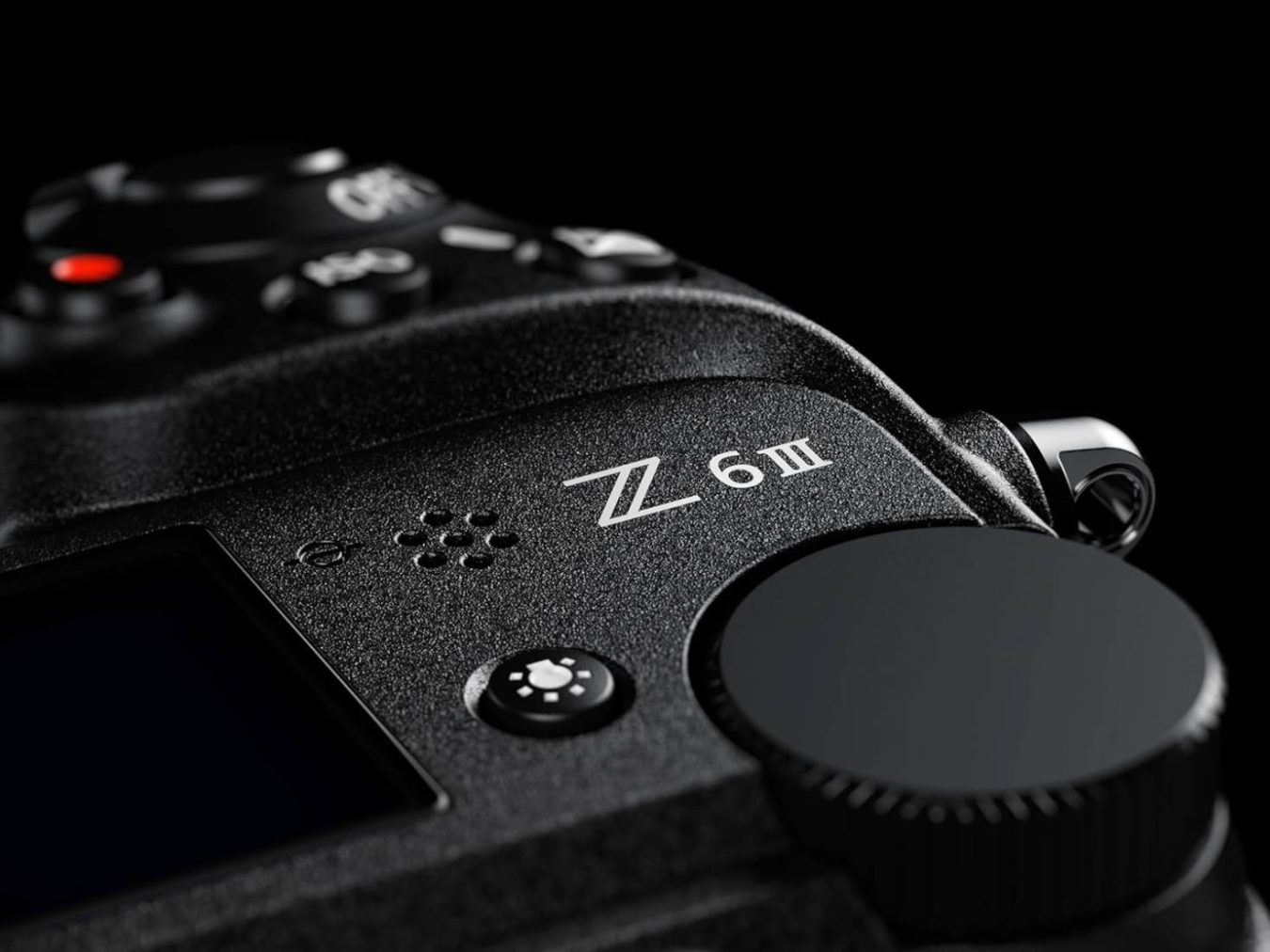
Full frame cameras are common in higher-end mirrorless and DSLR lines. Examples include cameras like the Canon EOS R8, Sony A7 series, Nikon Z6 series, and Panasonic Lumix S series. The larger sensor gives certain advantages but they come with tradeoffs beginners should understand.
A crop sensor is smaller than full frame. The most common crop format is APS-C, used widely in beginner and mid-range cameras. There is also Micro Four Thirds, which is slightly smaller again and used by Panasonic and OM System.
A lot of entry level cameras typically use crop sensors. Examples include:-
- Canon EOS R50 and R10
- Sony A6100 and ZV-E10
- Nikon Z50 and Z30
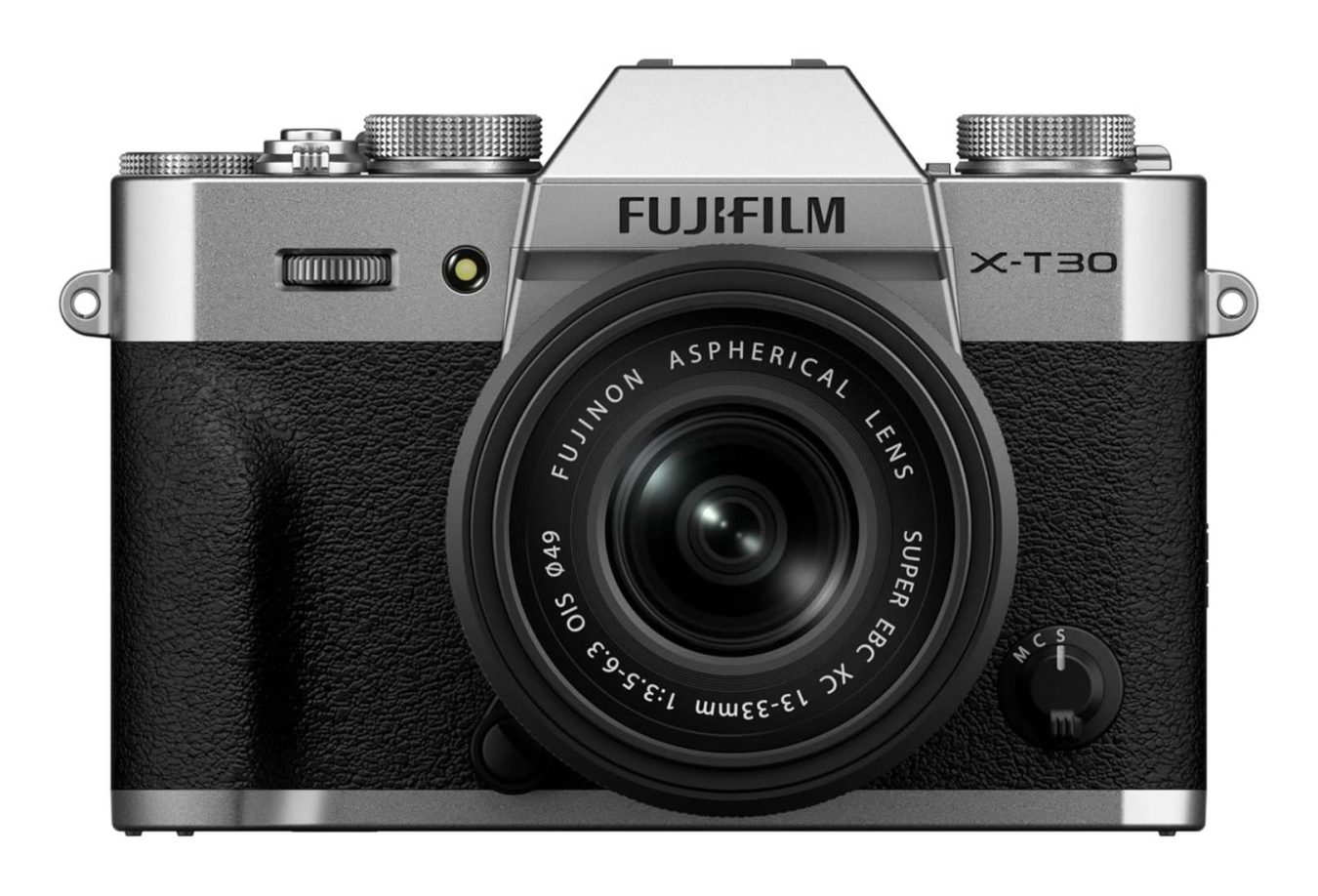
- Fujifilm X-T30 II and X-S20
Crop sensor cameras are not “low quality.” Modern crop sensors produce excellent images and are used by many working photographers.
The most noticeable difference between full frame and crop sensor systems for beginners comes down to four areas: low light performance, depth of field, effective reach, and system size.
A full frame sensor generally performs better in low light because it gathers more total light. This can mean cleaner images at high ISO settings. It also makes it easier to achieve shallow background blur in portraits.
A crop sensor, however, gives you more apparent reach with telephoto lenses because of the crop factor. A 200mm lens behaves more like a 300mm equivalent on APS-C. That’s helpful for wildlife and sports, and it reduces the need for very large, expensive lenses. I know this sounds complicated and if you are feeling overwhelmed, why not consider signing up to our Learn Photography Online course where we cover all the basics.
Size and weight also matter. Crop sensor camera bodies and lenses are usually smaller and lighter. For beginners who want a camera they’ll actually carry, this is a major practical benefit. And lastly, cost is another key difference. Full frame systems are almost always more expensive – not just the camera body, but also the lenses.
So which should you choose? For most beginners, a crop sensor camera is the smarter starting point. It gives you high quality, lower cost, lighter gear, and more lens flexibility while you discover what you enjoy photographing.
A beginner should consider full frame only if:-
- Budget is comfortable and long-term commitment is certain
- Primary interest is portrait or low-light work
- Size and weight are not concerns
- Lens costs are understood and acceptable
Otherwise, APS-C or Micro Four Thirds is usually the more practical and beginner-friendly choice.
Mirrorless Cameras — Modern and Flexible
Mirrorless systems currently dominate the “best camera for beginners” category because they offer easier handling, compact sizes, and modern autofocus systems that help you focus on the moment. Let’s look at some examples …
Canon EOS R50 V Mirrorless Camera RF – A great all-round beginner mirrorless camera with Canon’s intuitive menu system and reliable autofocus. It’s slightly above entry level but offers good room to grow.
Canon EOS R10 Mirrorless Camera Lens – A step up if you want more performance, especially for action or family shots. Canon’s APS-C sensor and compact design make this a fun, powerful starter.
Nikon Z50 II Mirrorless Camera with 16-50mm – Supports great autofocus, intuitive controls, and solid image quality for everyday photography and travel.
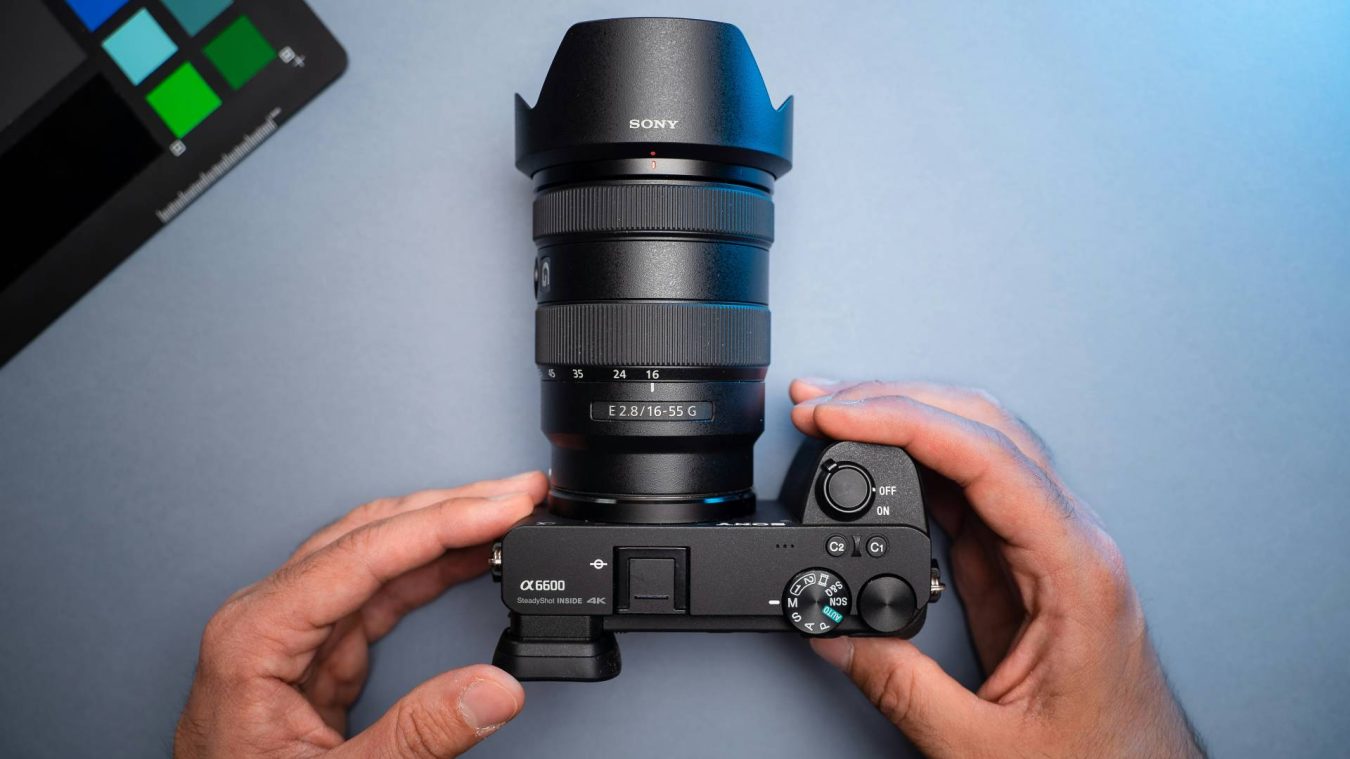
Sony A6100 Mirrorless Camera – A lightweight and capable APS-C choice with strong autofocus and easy-to-use menus; perfect if portability matters.
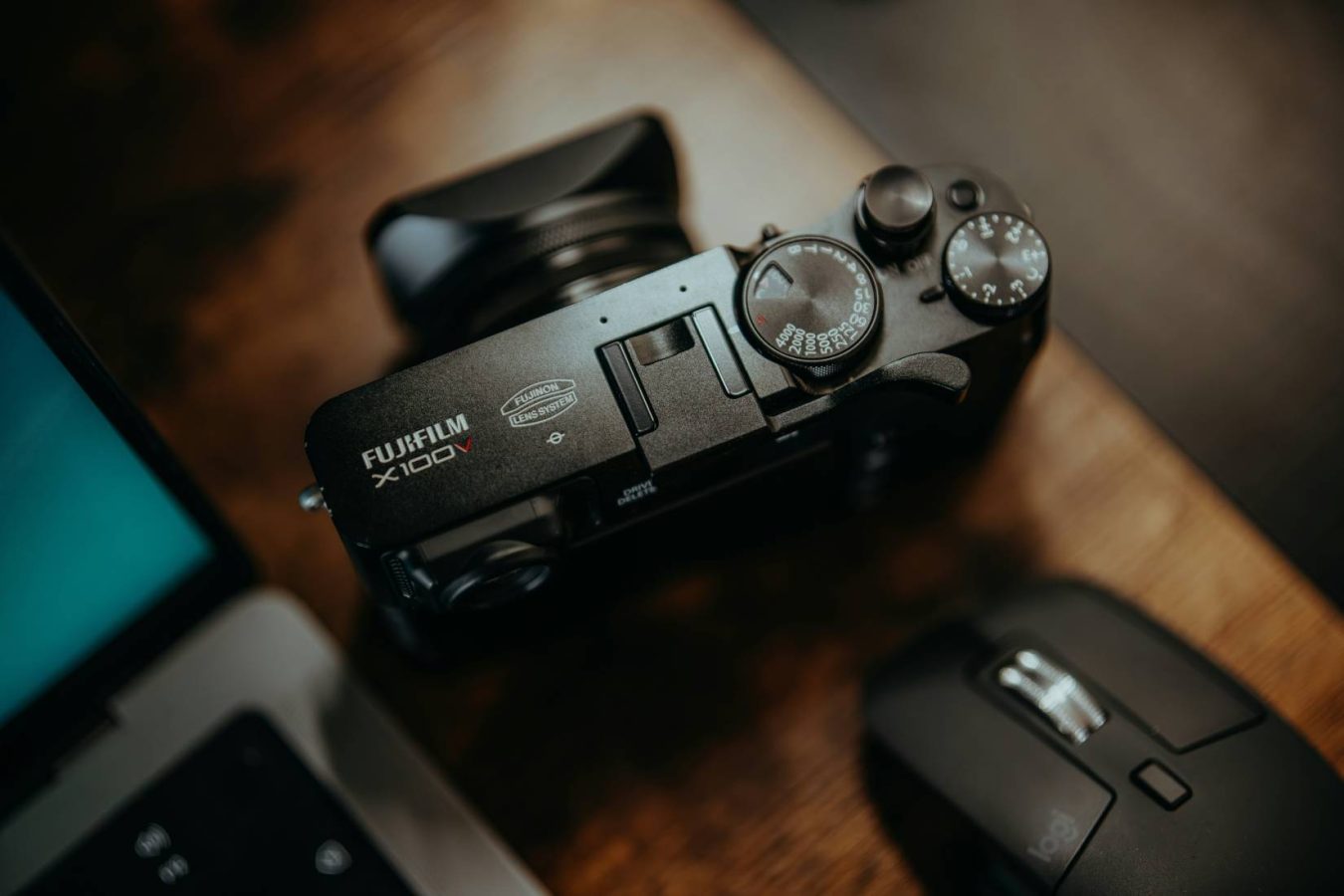
Fujifilm X-T30 III Mirrorless Camera – A slightly more premium option with beautiful colour rendition and versatile performance; ideal if you want a camera that feels tactile and expressive.
Sony ZV-E10 Camera – Great for photo and video hybrid use, especially if you’re interested in vlogging or social content alongside photography.
Mirrorless cameras like these are generally lighter, quieter, and easier to learn with because their electronic viewfinders show exactly what your final photo will look like. They’re also the format manufacturers are investing in most heavily, meaning accessories and future upgrades will be easier to find.
DSLR Options — Affordable and Classic
For many years DSLRs were synonymous with beginner photography, and they are still excellent value. Particularly if you prefer a traditional feel or plan to shoot a lot without worrying about charging extra batteries. Let’s look at some options …
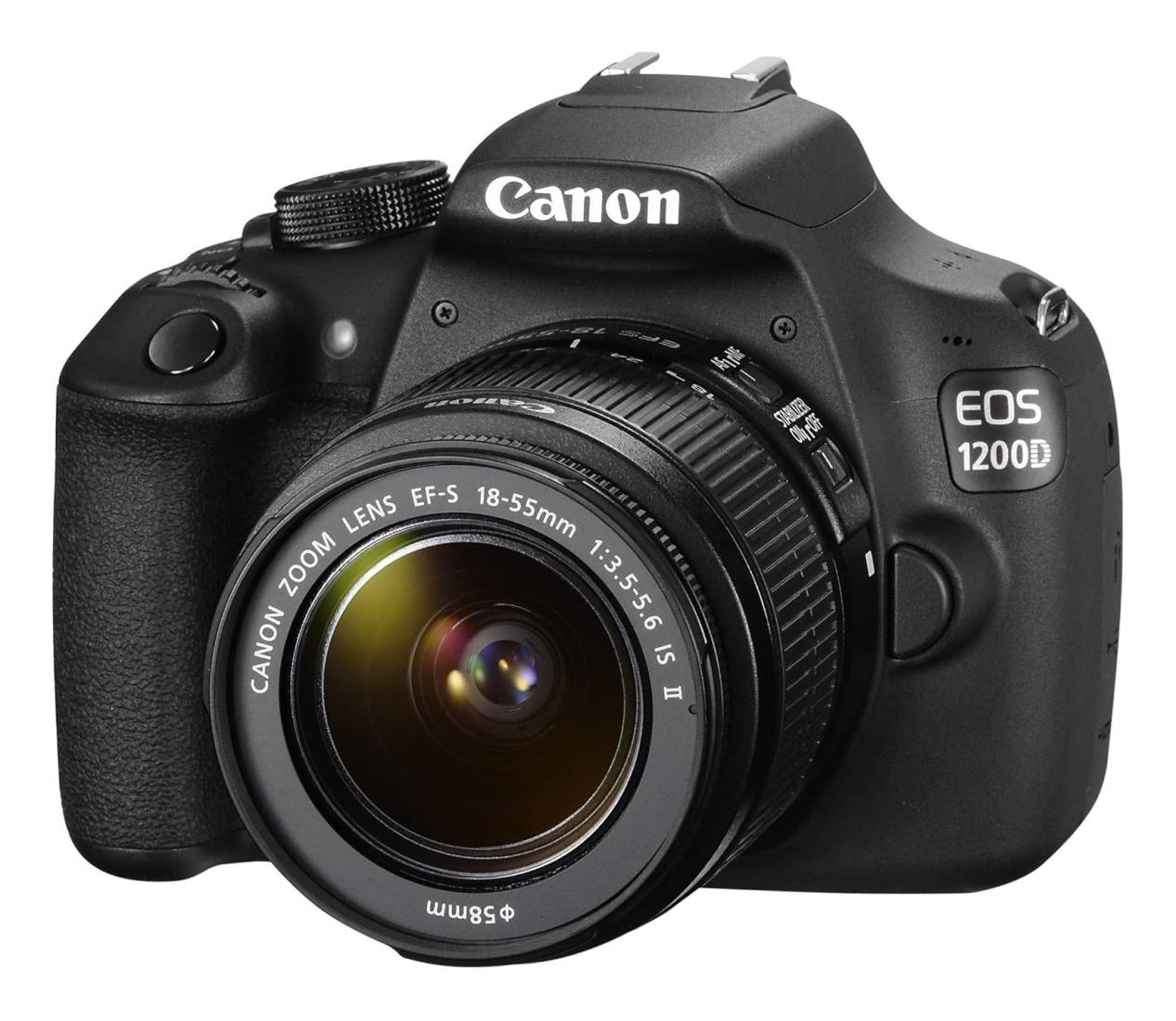
Canon EOS 250D with 18-55mm Lens – One of Canon’s best-selling beginner DSLRs, offering familiar handling and a friendly learning curve.
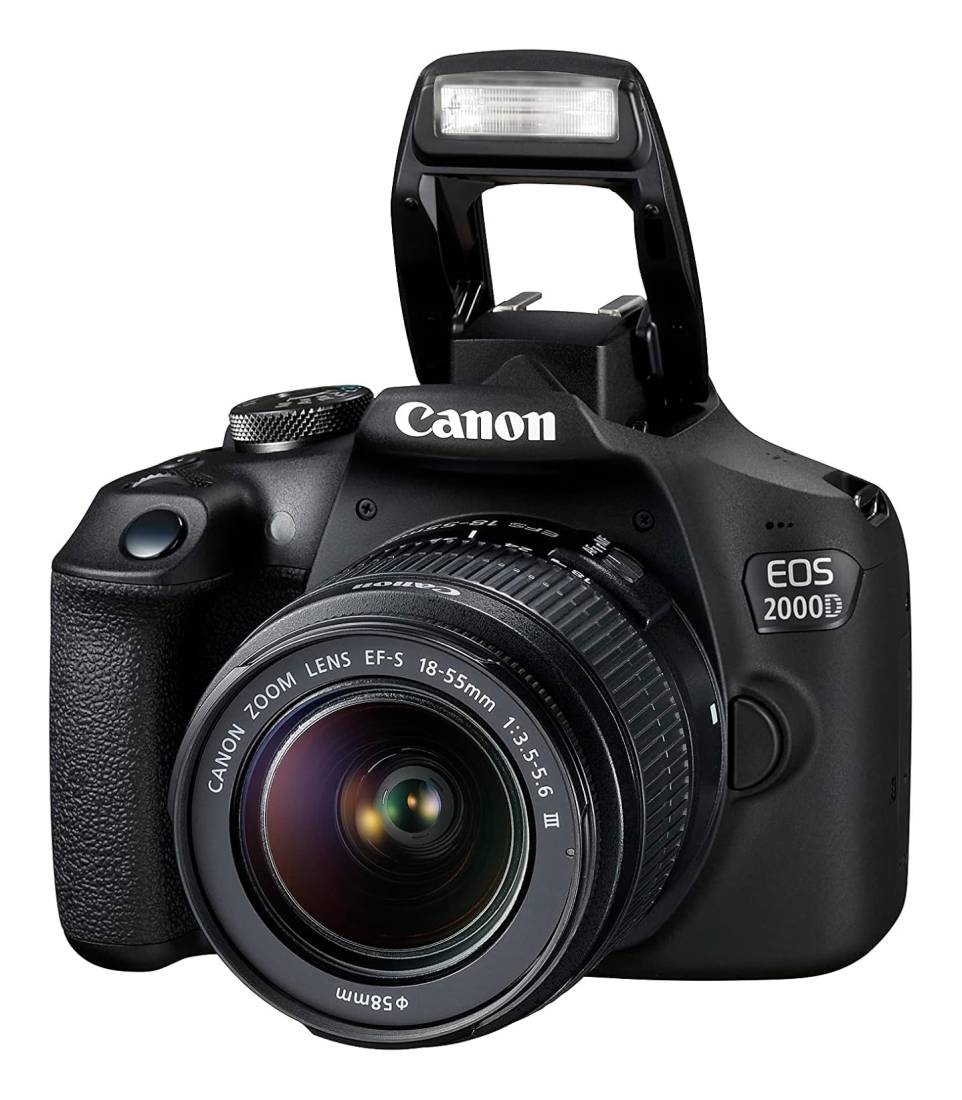
Canon Camera EOS 2000D with 18-55mm Lens – A tried-and-true entry DSLR that takes good photos and is a solid student camera.
Nikon D3500 DSLR Camera Lens – A classic Nikon DSLR that’s often recommended for photography classes because it’s straightforward and built around learning fundamentals. These are mostly available as used equipment now due to Nikon removing themselves from the DSLR new camera market for beginners. They still currently offer two high-end professional models costing around £1,000+ but this tends to price them out of the beginners market.
DSLR bodies tend to be a little bulkier and heavier than mirrorless models, but their optical viewfinder and battery strengths remain compelling if you prefer a more tactile photographic experience.
Practical Buying Advice
When choosing the best camera as a beginner, worry less about specs like megapixels and more about how you’ll actually use the camera. An intuitive model with reliable autofocus and simple controls will help you learn much faster than a complex pro camera that feels overwhelming and rarely leaves the house.
Focus on practical factors instead: how the camera feels in your hands, whether the viewfinder is comfortable, how long the battery lasts for your typical shoots, and what lenses and accessories are available in that system for future growth. Also consider value options. Buying used or choosing a discounted bundle can stretch your budget and let you invest in a better lens or a quality tripod, which often makes a bigger real-world difference than extra specs.
Final Thoughts: A camera matters but so do the skills
The best camera for beginners is not the most expensive, newest, or most recommended online. It’s the one that gets you shooting, experimenting, and learning consistently. Photography improves through practice, not purchases. Light, timing, and composition matter more than model numbers.
Choose a capable beginner camera, learn the fundamentals, and upgrade only when your limitations become clear. That path is cheaper, faster, and far more enjoyable. If you need any further help or support, feel free to get in touch via the website or drop me a message on Instagram.