How to Learn Photography in Northern Ireland: A Complete Beginner’s Guide
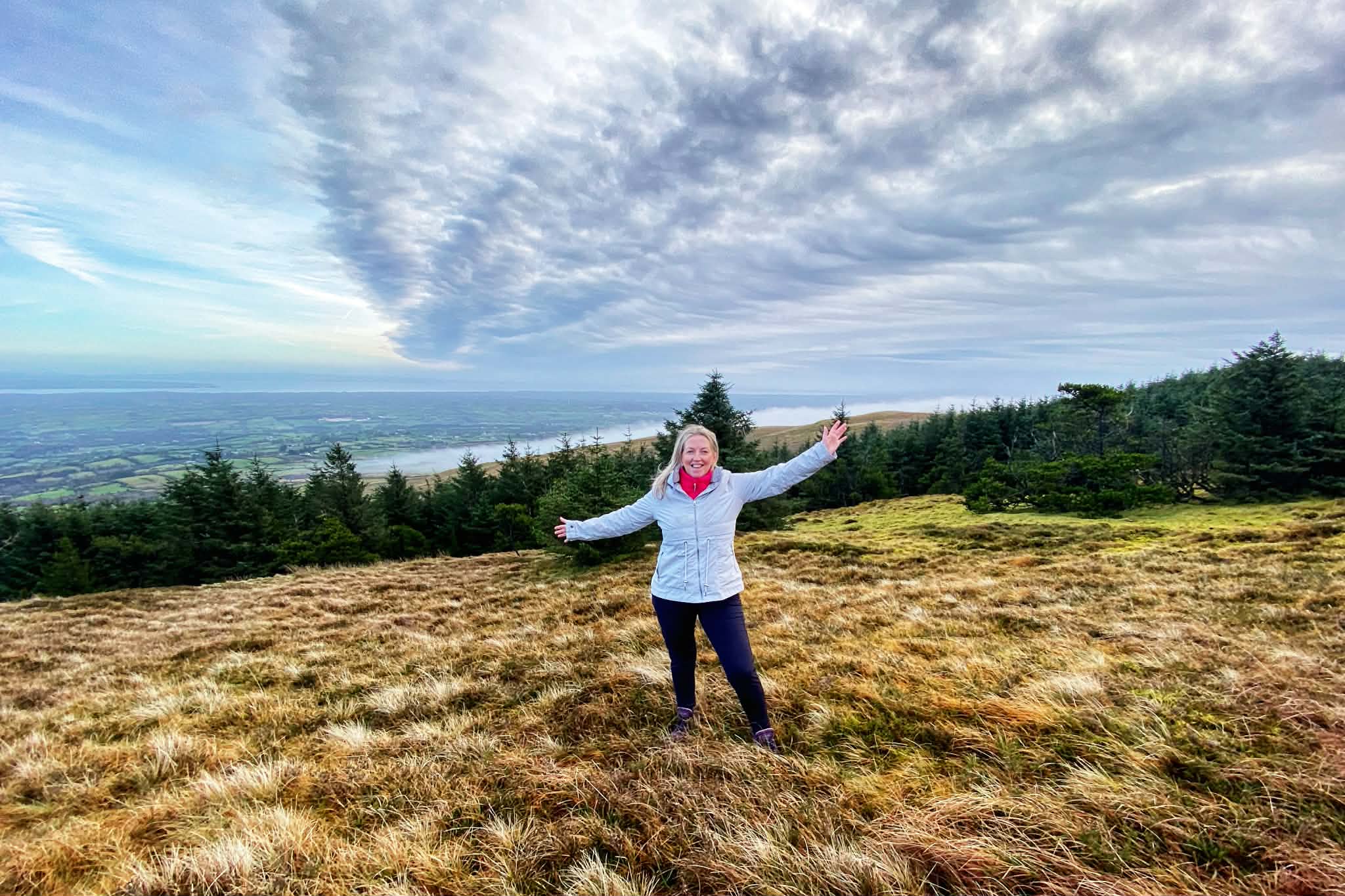
Learn Photography in Northern Ireland – Photography is one of the most rewarding creative skills you can learn. I know I’m biased, but I truly believe it’s also one of the best hobbies. It allows you to capture moments, tell stories, explore landscapes, and see the world through a more observant and creative lens. Across Northern Ireland, more people than ever are picking up a camera or using their smartphone to explore photography for the first time.
Whether you’re interested in photographing the dramatic coastline of the North Coast, capturing family memories, improving your smartphone photography, or even considering a career change into photography, learning the fundamentals can open up an exciting creative journey.
If you’re wondering how to learn photography in Northern Ireland, the good news is that there has never been a better time to start. With the right guidance, practice and training, beginners can progress quickly and begin producing photographs they feel proud of.
This guide will walk you through everything you need to know to begin your photography journey, including the skills to focus on, the equipment you may need, and how photography training can help you develop faster.
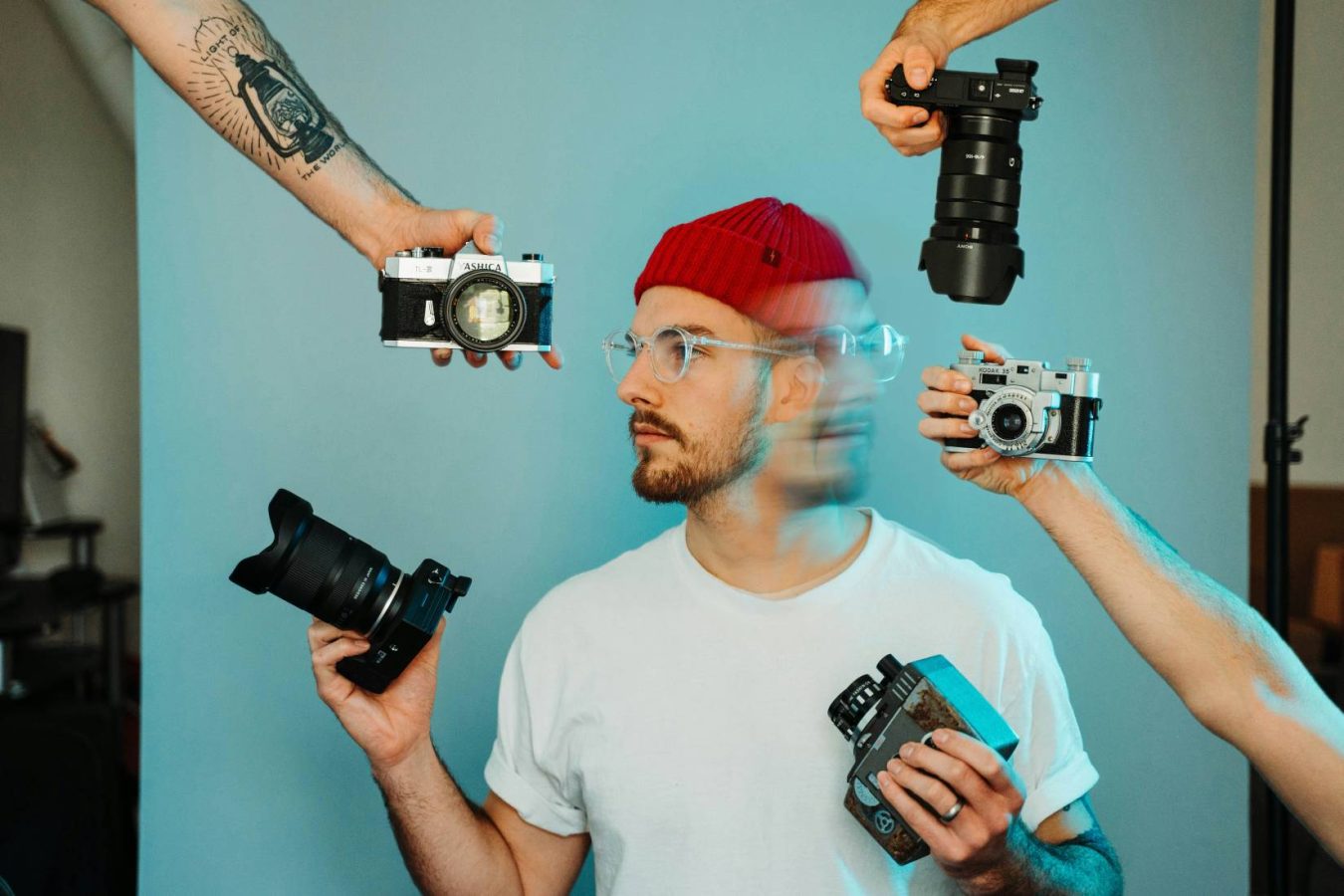
Why So Many People Want to Learn Photography
Photography appeals to people for many different reasons. For some, it starts as a hobby – a way to capture travel memories, family occasions or beautiful landscapes. For others, photography becomes a creative outlet that helps them slow down, observe light, colour and detail, and express their perspective of the world.
In the north of Ireland, we are blessed to have a diverse landscape that offers endless inspiration. From the rugged cliffs of the Causeway Coast to the peaceful lakes of Fermanagh, the rolling Sperrin Mountains and the vibrant streets of Belfast, photographers have a wealth of subjects to explore.
Many people also begin learning photography as part of a career change or personal development journey. Photography can evolve from a hobby into freelance work, creative projects or even a full-time business. But regardless of your long-term goals, starting with strong foundations is the key to improving quickly and enjoying the process.
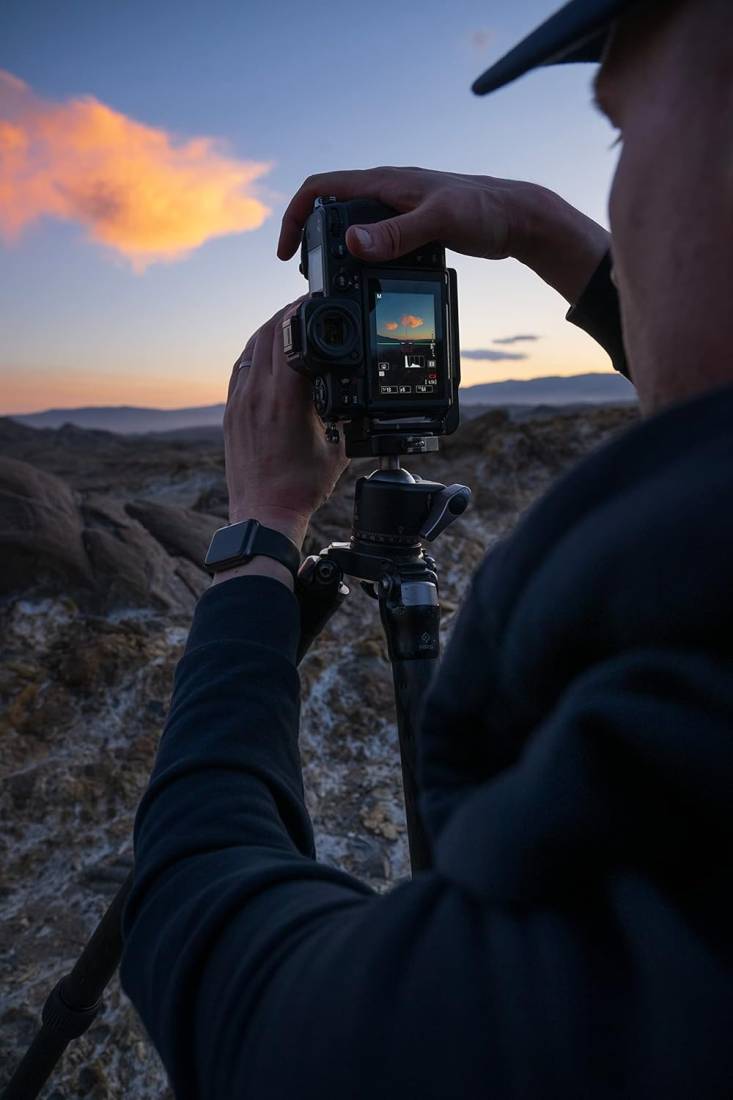
Do You Need an Expensive Camera to Start?
One of the most common misconceptions about photography is that you need expensive equipment to take good photographs. In reality, some of the most important skills in photography have nothing to do with gear.
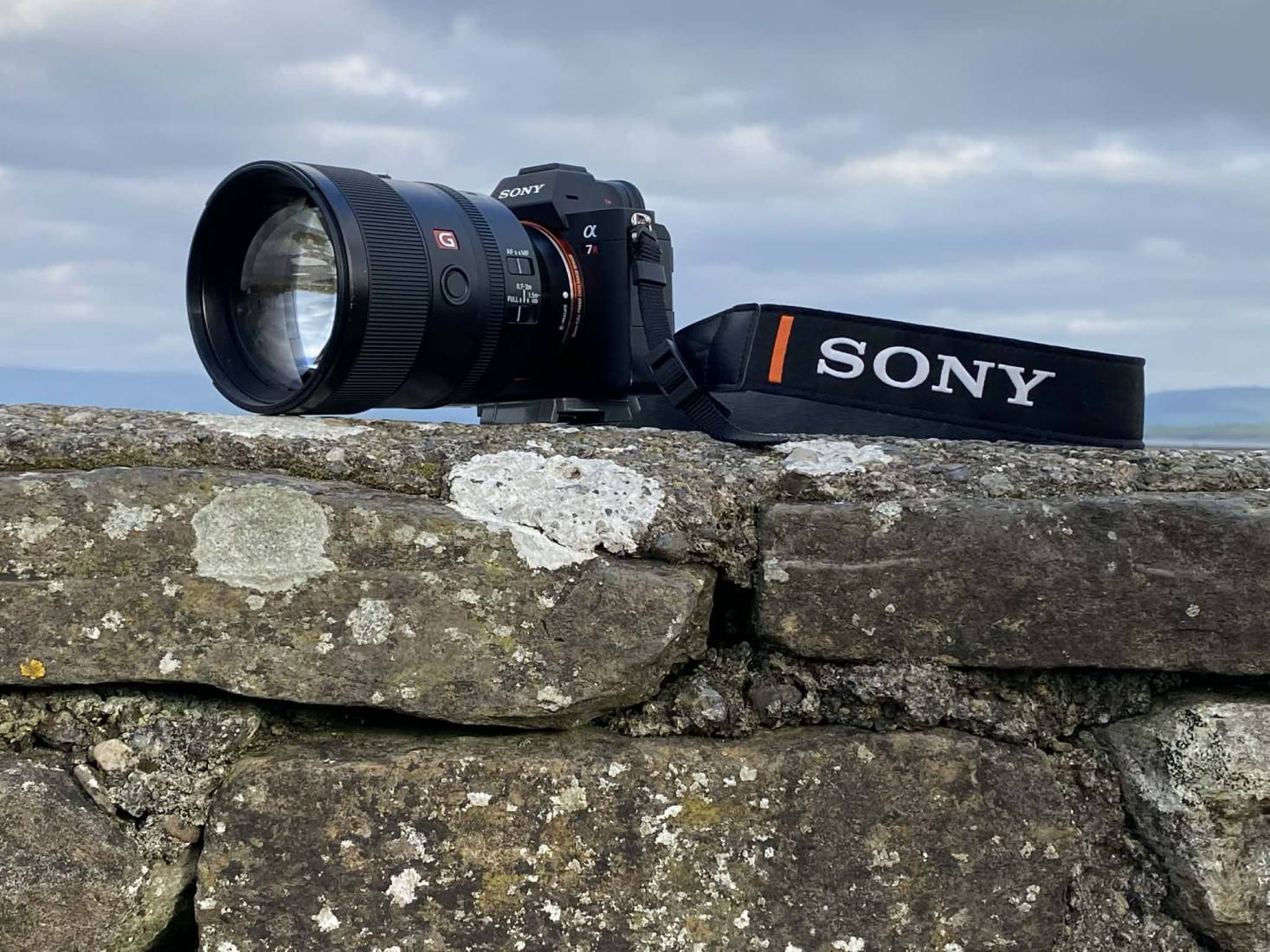
Understanding light, composition and timing will improve your photography far more than buying a new camera. Many beginners start with one of three options:-
A Smartphone
Modern smartphones are incredibly capable cameras. Many people begin learning photography using their phone, and this can be a fantastic way to practice composition, lighting and storytelling. Smartphones are also ideal because they are always with you. This makes it easier to practice regularly and develop your creative eye.
A Beginner Mirrorless Camera
Mirrorless cameras are now extremely popular with beginners. They are compact, easy to use and capable of producing excellent image quality.
A DSLR Camera
DSLR cameras are still widely used and offer excellent performance, especially for learning manual controls and experimenting with different lenses. Ultimately, the best camera is the one you have access to and enjoy using. What matters most is learning how to use your camera effectively and understanding the principles behind great photography.
The Three Most Important Camera Settings
To truly learn photography, it helps to understand the three core camera settings that control how a photograph is created. These are often referred to as the exposure triangle.
Aperture
Aperture controls how much light enters the camera lens. It also affects depth of field, which determines how much of the image appears sharp and in focus.
A wide aperture (such as f/1.8 or f/2.8) creates a shallow depth of field, which is perfect for portraits where the background appears softly blurred.
A smaller aperture (such as f/8 or f/11) increases depth of field and keeps more of the scene in focus, making it ideal for landscape photography.
Shutter Speed
Shutter speed determines how long the camera sensor is exposed to light – it, along with aperture, control how much light enters through the lens and is another of the key exposure settings. Shutter speed also controls how movement is reflected in your images.
Fast shutter speeds freeze action, making them useful for sports, wildlife or fast-moving subjects.
Slow shutter speeds allow more light into the camera and show movement as blurred in your photos. You can create beautiful motion effects, such as smooth flowing water or car light trails.
ISO
ISO controls the sensitivity of the camera sensor to light.
A low ISO produces cleaner images with less noise and are used in good light conditions, whilst higher ISO settings allow you to shoot in darker conditions but may introduce grain and drop the quality of your work.
Learning how these three settings work together is one of the biggest steps toward becoming confident with your camera.
Composition: The Secret to Strong Photographs
While camera settings are important, composition is often what transforms an ordinary photo into a striking image. Composition refers to how elements are arranged within the frame.
Some simple techniques that beginners can practice include:-
The Rule of Thirds – placing your subject slightly off centre often creates a more balanced and interesting image.
Leading Lines – roads, fences, rivers or pathways can guide the viewer’s eye through a photograph.
Framing – using natural frames such as trees, doorways or windows can add depth to an image.
Foreground Interest – including elements in the foreground can make landscapes feel more immersive.
Practicing these techniques regularly will help you develop your own photographic style.
Learning to See Light
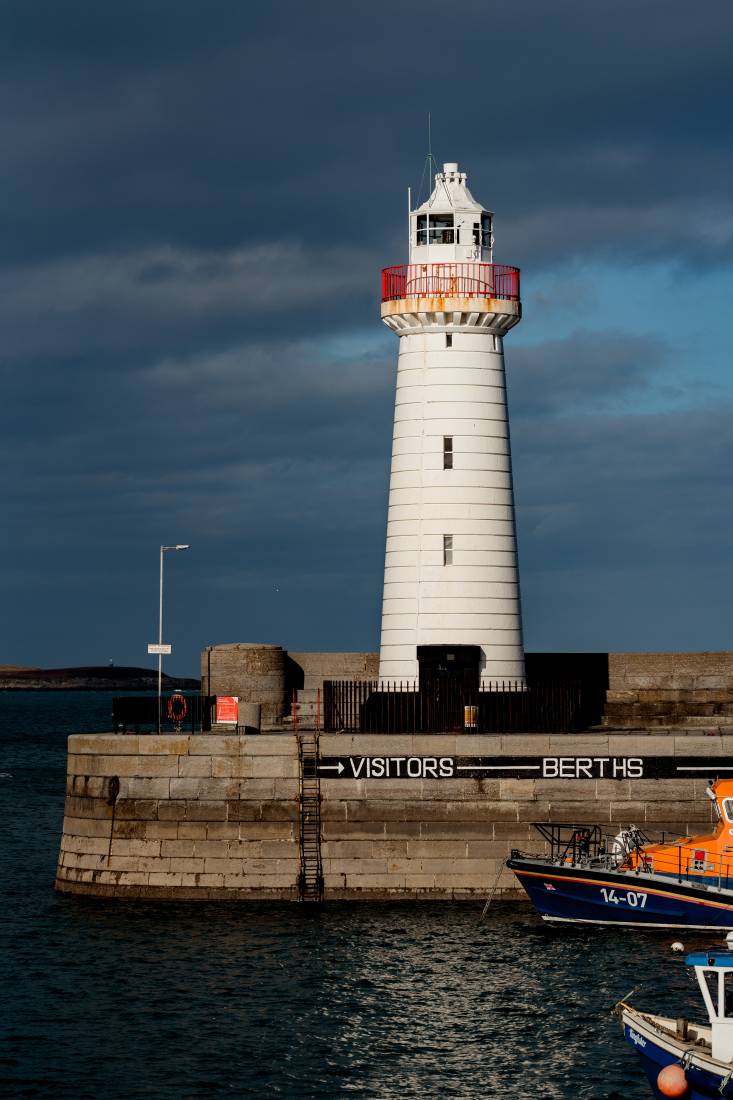
Light is the most important ingredient in photography. Learning to observe light and understand how it changes and shapes a scene will dramatically improve your images. Light is important in all genres of photography. You need to consider the type of light that you are shooting in, the colour of the light and the direction of the light in relation to your subject.
Early morning and evening light, often called golden hour, is particularly beautiful because it produces soft, warm tones and long shadows.
Overcast conditions can also create excellent photographic opportunities. Here in the north of Ireland we tend to see a lot of soft, diffuse light due to cloud cover. The softer light is useful for portraits or woodland scenes, as the clouds diffuse the light and reduce harsh shadows.
As you begin to learn photography, you will start to notice how weather, seasons and time of day affect the mood and quality of your work.

Why Practice Is Essential
Photography is a skill that improves through consistent practice. The more you experiment, the more comfortable you become with your camera and creative decisions.
Some beginners find it helpful to set themselves small photography challenges, such as photographing:-
• different colours
• interesting textures
• reflections
• shadows and light patterns
• local landscapes
These exercises encourage you to look at everyday scenes in a more creative way. Regular practice is one of the most important pieces of advice that I give my students and it’s the reason I set up our free 52 Week Photography Challenge. Open to everyone, 52 Creative is the perfect way to get in lots of practice, gain inspiration and improve your skills. You can read more or sign up via this link.

Learn Photography Northern Ireland – Consider Photography Training
If you want to learn photography in Northern Ireland, there are several ways to build your skills. Some people prefer online learning, which allows them to study at their own pace from home. Others enjoy the experience of in-person workshops, where they can practice techniques in real locations and receive immediate feedback.
At The Photo Academy NI, we offer both options, helping beginners develop their photography skills in a friendly and supportive environment. Our Photography Made Easy blended course is designed specifically for beginners who want to understand their camera and start taking better photographs. The course combines clear explanations with practical exercises that help students build confidence quickly. There are a mix of online zoom classes combined with 4 in-person meet ups.
For those who prefer flexible learning, our Learn Photography Online course provides structured lessons that you can work through at your own pace while developing your creative skills.

Can Photography Become a Career?
Many people who begin learning photography eventually consider turning their passion into something more. Photography careers can include areas such as:-
• portrait photography
• business photography
• weddings
• commercial and event photography
• press photography
Building a career in photography requires both technical skill and business knowledge, but the first step is always learning the craft and developing a strong portfolio. Even if photography remains a hobby, the skills you develop can enrich travel experiences, creative projects and everyday life.
Start Learning Photography Today
If you’re ready to learn photography in Northern Ireland, the right training can make all the difference. At The Photo Academy NI, we provide beginner-friendly photography courses designed to help you understand your camera, improve your creative eye and build confidence in your photography.
No matter where you are starting from, photography is a skill that anyone can learn. With the right guidance, practice and creative curiosity, you may be surprised at just how quickly your photography improves.