Photography Course Northern Ireland: How to Choose the Right One
Photography Course Northern Ireland
If you’ve recently found yourself searching for a photography course in Northern Ireland and struggling to decide which one to chose from, you’re certainly not alone. One of the top 3 questions that I get asked when I tell people that I’m a photographer is ‘What course would you recommend to improve my photography?’.
When you purchase your first camera, it can feel overwhelming. With all the buttons and settings, choice of lens and accessories. Or maybe you’ve been taking photos with your smartphone for years but know there’s more potential waiting to be unlocked.
Even people with cameras may reach a stage where they are comfortable taking photographs but want to move beyond snapshots and start creating images that truly reflect their creativity.
The good news is that there has never been a better time to learn photography. The challenge, however, is deciding which course is right for you.
A quick online search will reveal everything from one-day workshops and online tutorials to photography clubs, mentoring programmes and longer structured courses at colleges. Whilst having plenty of choice is a positive thing, it can also leave people feeling unsure where to begin.
As someone who has spent more than 15 years working as a professional photographer and has helped thousands of people improve their photography skills through The Photo Academy NI, I always tell anyone who asks ‘the best photography course is the one that matches where you are right now and helps you get to where you want to be’.
Start With Your Goal, Not Your Camera – Photography Course Northern Ireland
One of the biggest mistakes people make when looking for a photography course is focusing on equipment rather than outcomes.
They spend hours comparing cameras, reading reviews and researching specifications before they’ve even decided what they want to photograph. In reality, your goal should be the starting point.
Are you hoping to:
- Learn how to use your camera properly?
- Take better photographs of your children and family?
- Improve your travel photography?
- Create content for your business and social media?
- Learn how to edit your photographs?
- Start a photography business?
- Achieve a qualification?
Each of these goals requires a slightly different learning path. A business owner wanting to create better social media content will benefit from very different training than someone hoping to master landscape photography or wildlife photography.
The clearer you are about your destination, the easier it becomes to choose the right course.
Do you need a formal qualification to become a better photographer?
It’s a common misconception that you need a photography degree or professional qualification before you can call yourself a photographer. In reality, photography is one of the few creative industries where your skills, experience and portfolio are often far more important than any certificate on the wall.
Unlike professions such as medicine, law or accountancy, photography is not a regulated industry. There is no requirement to hold a degree, diploma or certification before you can work as a photographer or start a photography business.
In fact, many of the world’s most respected photographers are largely self-taught. They developed their skills through practice, experimentation, workshops, mentoring and years of hands-on experience rather than through formal academic study.
Whilst I do hold professional qualifications in the subject and have been accepted to study for a Masters Degree in Photography, I can honestly say hands-on practical experience is how I developed most in my field. Most of the college courses that I attend rarely taught me anything about running a business or improving my skills. This was all self-taught.
That isn’t to say qualifications have no value. College courses, university degrees and accredited programmes can provide structured learning, access to equipment, networking opportunities and valuable feedback. For some people, a formal educational environment is exactly what they need to thrive.
However, qualifications alone do not make someone a good photographer.
Customers rarely ask to see certificates. What they want to see is your portfolio, your ability to work with people and your consistency in producing high-quality images.
Photography is ultimately a practical skill. Like learning to drive, play an instrument or speak a new language, progress comes from doing rather than simply studying.
This is why many photographers choose shorter, practical courses that focus on real-world skills rather than formal assessment. Learning how to use your camera confidently, understand light, compose stronger images and edit effectively will often have a far greater impact on your photography than collecting certificates.
For those considering photography as a potential career, there are many successful routes into the industry. Some photographers study photography at college or university, while others build their knowledge through online courses, workshops, mentoring programmes and personal projects. Both pathways can lead to success. The key is continuous learning.
The Rise of Smartphone Photography
One of the biggest changes I’ve witnessed over the past decade is the dramatic improvement in smartphone cameras.
For many people, their smartphone is now their primary camera. Advances in software, AI and image processing have transformed what is possible from a device that fits in your pocket. Yet despite these technological advances, many people still feel frustrated with their smartphone photos due to their limitations in certain areas. Whether it’s the limitations in terms of lens choice, inability to use with off camera flash or resolution size, there are times when a camera outplays even the best quality smartphone.
Sometimes the issue isn’t the phone though. It can be down to understanding light, composition, storytelling and editing. That’s why smartphone photography training has become one of the fastest-growing areas of photography education.
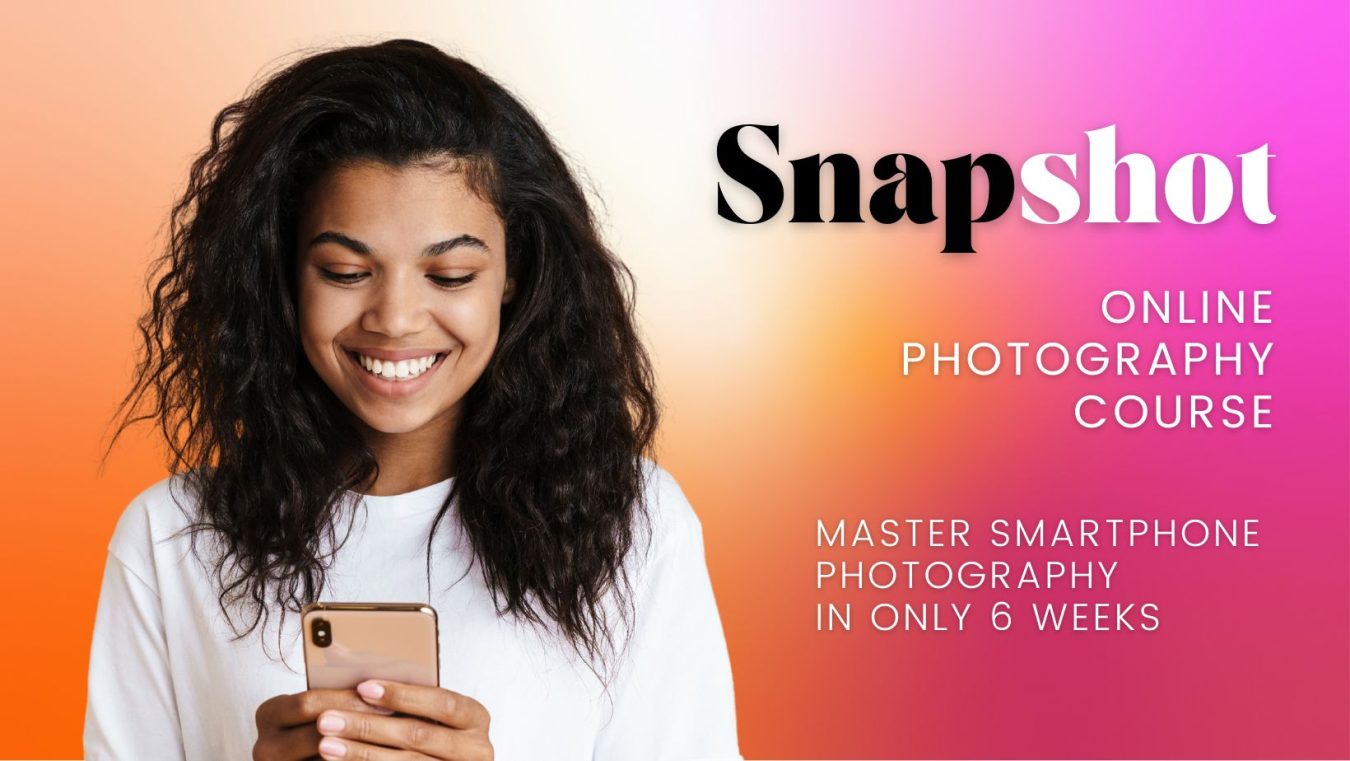
For those who want to learn how to get the best from the device they already own, our Snapshot Online Smartphone Photography Course is perfect. It was designed specifically for beginners who want practical, easy-to-follow guidance. The course focuses on helping people create stronger photographs using everyday situations rather than relying on camera equipment. The emphasis is on seeing creatively, understanding light and learning simple editing techniques that make a genuine difference.
Many people are surprised by just how much they can achieve once they understand a few key principles.
When You’re Ready to Move Beyond Auto Mode – Photography Course Northern Ireland
For camera owners, there often comes a moment when Auto Mode starts to feel limiting. You know the photograph you want to create, but the camera seems to have other ideas.
Perhaps your background isn’t blurred enough. Maybe your images are too dark or too bright. Or perhaps you’re struggling to photograph movement, sunsets or low-light scenes.
This is where understanding camera settings becomes transformational. Terms like aperture, shutter speed and ISO can seem intimidating at first, but they’re simply tools that allow you to take creative control of your photographs.
Once you understand how these settings work together, photography becomes significantly more enjoyable. Instead of hoping the camera gets it right, you’re making conscious creative decisions.
For many photographers across Northern Ireland, this stage of learning is where confidence begins to grow.
That’s exactly why I created our Get Camera Confident programme. Rather than overwhelming learners with technical jargon, it focuses on helping people understand how their camera works in real-world situations. Starting this autumn, topics such as exposure, manual mode, focusing and creative control are introduced in a practical and approachable way. This helps photographers bridge the gap between taking pictures and creating photographs.
Why Online Learning Has Changed Photography Education
Not long ago, learning photography often meant attending evening classes or travelling to workshops. While these options still have tremendous value, online learning has opened up opportunities for many people who previously struggled to access photography education.
Parents can learn after the children are in bed. Shift workers can study around unpredictable schedules. People living in rural areas can access training without travelling long distances.
Perhaps most importantly, online learning allows people to revisit lessons repeatedly. Photography isn’t something most people master after hearing it once. Concepts such as exposure, composition and editing often make more sense after you’ve gone away, practiced and returned to the lesson again.
This ability to learn at your own pace is also one of the reasons online photography education continues to grow in popularity.
At The Photo Academy NI, many students choose the Learn Photography Online programme because it allows them to develop their skills gradually while fitting learning around work, family and other commitments. The self-paced format means there’s no pressure to keep up with anyone else. Instead, learners can focus on building confidence one step at a time.
Editing your images
One area of photography that is often overlooked by beginners is editing. Many people assume that great photographers simply capture perfect images in-camera. The reality is different.
Virtually every professional photographer uses editing as part of their creative process.
Editing isn’t about heavily altering photographs. It’s about helping the final image reflect what you saw and felt when you pressed the shutter.
Simple adjustments to exposure, colour, contrast and cropping can dramatically improve an image. For smartphone photographers especially, editing can often be the difference between a good photograph and a great one.

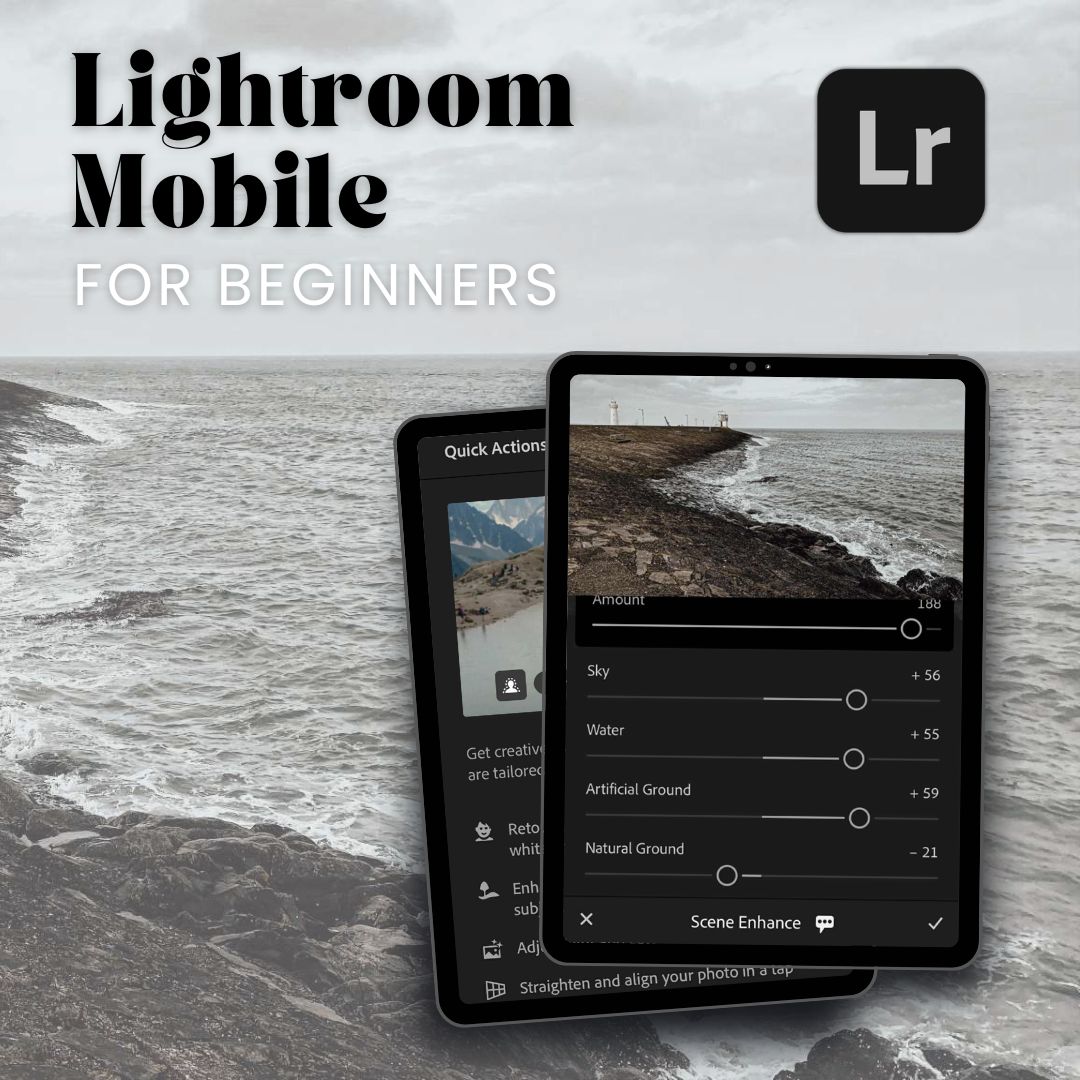
This is where Lightroom Mobile has become one of the most powerful tools available. The app allows photographers to organise, edit and enhance photographs directly from their phone or tablet, without needing expensive software or a desktop computer.
For beginners, however, Lightroom can initially feel overwhelming. That’s why dedicated training can accelerate the learning process significantly.
Our Lightroom Mobile for Beginners course focuses on helping photographers understand the editing workflow from start to finish. Rather than teaching complicated techniques, it emphasises practical adjustments that create noticeable improvements quickly and consistently.
Many students find that learning editing is the missing piece that finally helps their photographs look the way they imagined.
Learning Doesn’t End When a Course Finishes
One of the most common challenges photographers face isn’t learning the basics. It’s staying motivated afterwards. Life gets busy and the camera gets left in the cupboard.
Creative confidence fades. This is where community becomes incredibly important. Photography can sometimes feel like a solitary hobby. You’re often out taking photographs alone, editing alone and wondering whether you’re making progress.
Having a supportive group of people around you changes everything. Feedback helps you see strengths and weaknesses you may have missed. Challenges encourage you to pick up the camera regularly and training sessions introduce new ideas and techniques.
Most importantly, community reminds you that you’re not learning alone. This is one of the reasons I launched our Creative Circle membership programme.
Rather than being another course, it provides ongoing support for photographers who want to continue developing throughout the year. Through monthly challenges, weekly critique videos, live training sessions and a supportive community, members have opportunities to keep learning long after they’ve completed a course.
Many photographers discover that consistent small improvements over time have a far greater impact than occasional bursts of intensive learning.
Photography Course Northern Ireland – Choosing the Right Learning Path
The truth is that there isn’t one perfect photography course. Different people need different things at different stages of their journey.
If you’re primarily using a smartphone and want to create stronger images for personal use, travel or social media, smartphone-focused training may be the best place to start.
If you’ve recently purchased a camera and want to understand settings such as aperture, shutter speed and ISO, a beginner camera course will likely provide the foundation you need.
If you’re already comfortable shooting but want to improve your editing skills, a Lightroom-focused course may have the biggest impact on your photography.
And if you’re looking for ongoing inspiration, feedback and accountability, a membership community may offer the support you’re missing. The important thing is recognising that photography isn’t a destination. It’s a journey.
Every photographer, regardless of experience level, continues learning. The professionals you admire today are still refining their skills, experimenting with new techniques and pushing their creative boundaries.
The Best Investment You Can Make
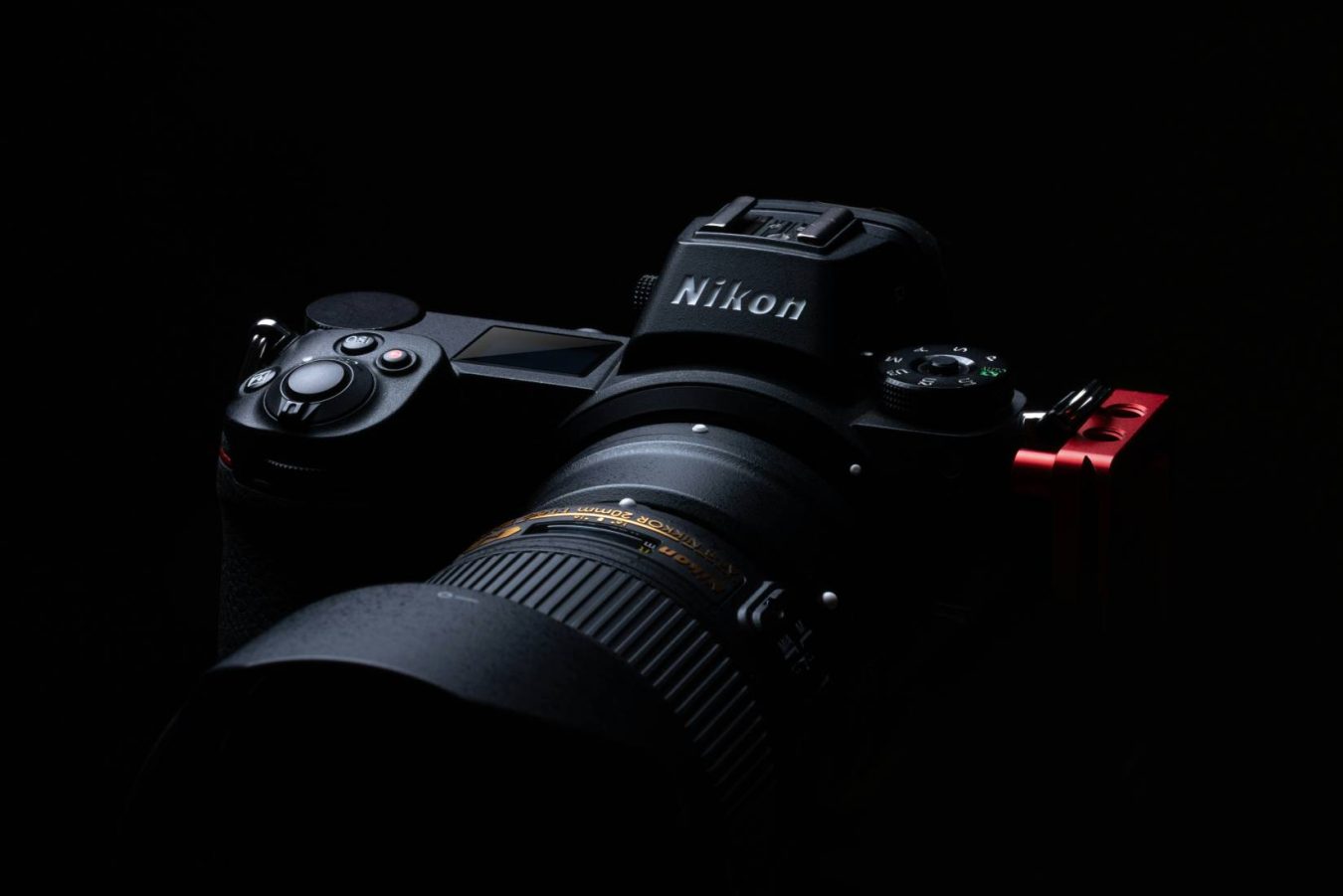
Many people spend years upgrading cameras, lenses and accessories while overlooking the single investment that makes the biggest difference.
Education.
A better camera rarely transforms someone’s photography overnight. A better understanding of light, composition and storytelling often does.
The most skilled photographers aren’t necessarily the ones with the most expensive equipment. They’re the ones who understand how to use whatever equipment they have available. Whether that’s a smartphone, an entry-level mirrorless camera or a professional setup worth thousands of pounds.
Knowledge travels with you. That’s why I invested a lot of time and money in my education at the beginning. I travelled to London, Dublin and Scotland for workshops as I have always valued the importance of quality education. It improves every photograph you take and unlike equipment, it never becomes outdated.
Education is an ongoing requirement for any photographer. Every year I set aside time and money for continued professional development. This ensures that I provide the latest update to date information to my students and for my clients.
Photography Course Northern Ireland – Final thoughts …
Choosing from the many photography courses available in Northern Ireland can feel overwhelming at first, but it becomes much easier when you focus on your goals.
Think about where you are now. Think about where you’d like to be six months from today. Then choose the learning path that helps you bridge that gap.
Whether that’s learning photography online, mastering your smartphone, becoming confident with your camera, improving your editing skills or joining a supportive community of photographers, every step forward builds confidence and creativity.
At The Photo Academy NI, our focus is not on helping people collect formal qualifications. Instead, we aim to help photographers develop confidence, practical skills and creative understanding that they can apply immediately.
Whether your goal is to enjoy photography as a hobby, improve your travel photos, create content for your business or eventually work professionally, the most important qualification is often the confidence to pick up your camera and start learning.
After all, every professional photographer started as a beginner and every great photograph begins with someone willing to take the next shot.